Hand Wash Grade HPMC: Improving Skin Feel and Enhancing Thickening Stability

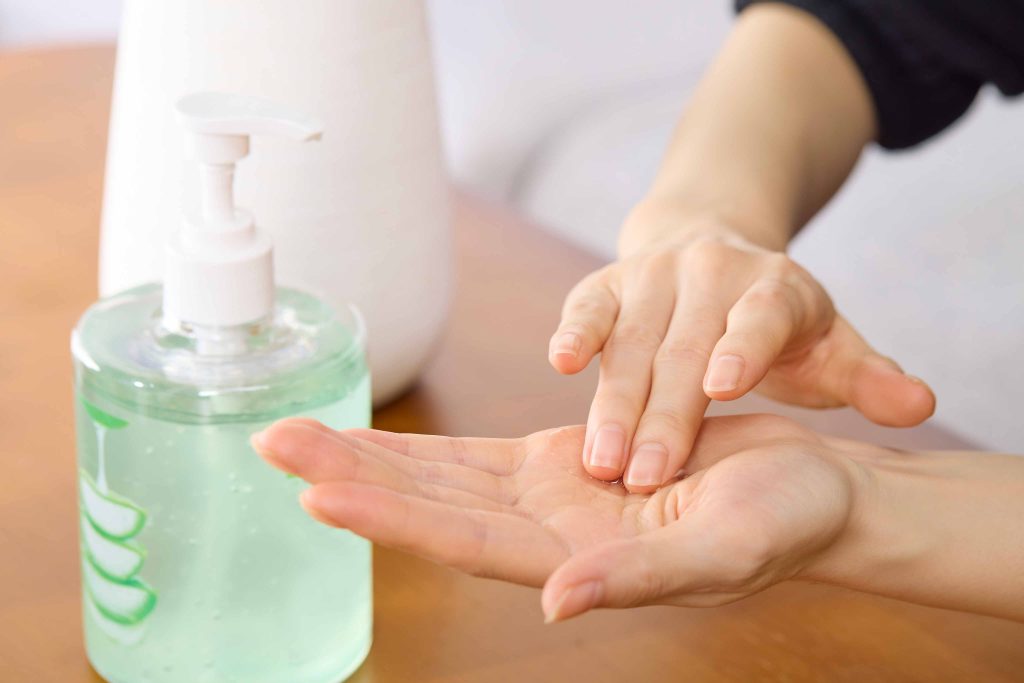
Hand wash has long evolved from a mere “cleaning tool” into an essential part of daily hand care. Consumer expectations for hand wash now extend far beyond “cleans well”—whether the foam is rich and fine, whether hands feel dry after rinsing, and whether the consistency feels just right upon dispensing all directly determine a product’s competitiveness in the market.
In hand wash formulations, the choice of thickener directly influences rheological properties, skin feel experience, and storage stability. Hydroxypropyl methylcellulose (HPMC), as a non-ionic cellulose ether, has become the preferred thickener for hand wash formulations owing to its excellent thickening efficiency, gentle skin feel characteristics, and broad formulation compatibility. This article systematically analyzes how HPMC improves skin feel and enhances thickening stability based on the practical needs of hand wash products, providing formulators with comprehensive technical guidance.
Hand wash is a high-frequency daily-use product, with every use accompanied by a direct tactile experience. A premium hand wash should flow smoothly upon dispensing, produce dense and fine foam during lathering, and leave skin non-dry and non-tight after rinsing. The sensory foundation for achieving these experiences is largely determined by the molecular characteristics of the thickener.
Traditional inorganic salt thickening (such as sodium chloride), despite its low cost, exhibits significant temperature sensitivity—low temperatures tend to cause “gelation” making dispensing difficult, while high temperatures cause viscosity to plummet, compromising the user experience. Hand wash grade HPMC, with its non-ionic character and reversible thermal gelation behavior, maintains stable rheological properties across a wide temperature range, delivering consistent dispensing feel and application smoothness.
From production to consumption, hand wash undergoes multiple stages including warehousing, transportation, and shelf display, with ambient temperature variations inevitable. An ideal thickening system should possess temperature-change resistance stability and electrolyte resistance stability.
Research indicates that as a non-ionic thickener, the viscosity of HPMC-thickened surfactant systems remains relatively stable across temperature changes, ensuring consistent performance within the pH range of 3-11. Hand wash formulations often contain anionic surfactants (such as AES, LAS) and certain proportions of salts. HPMC exhibits good compatibility with these components, without experiencing viscosity crashes or phase separation due to electrolyte presence. This stability not only ensures consistent product performance across different climatic conditions but also extends shelf life.
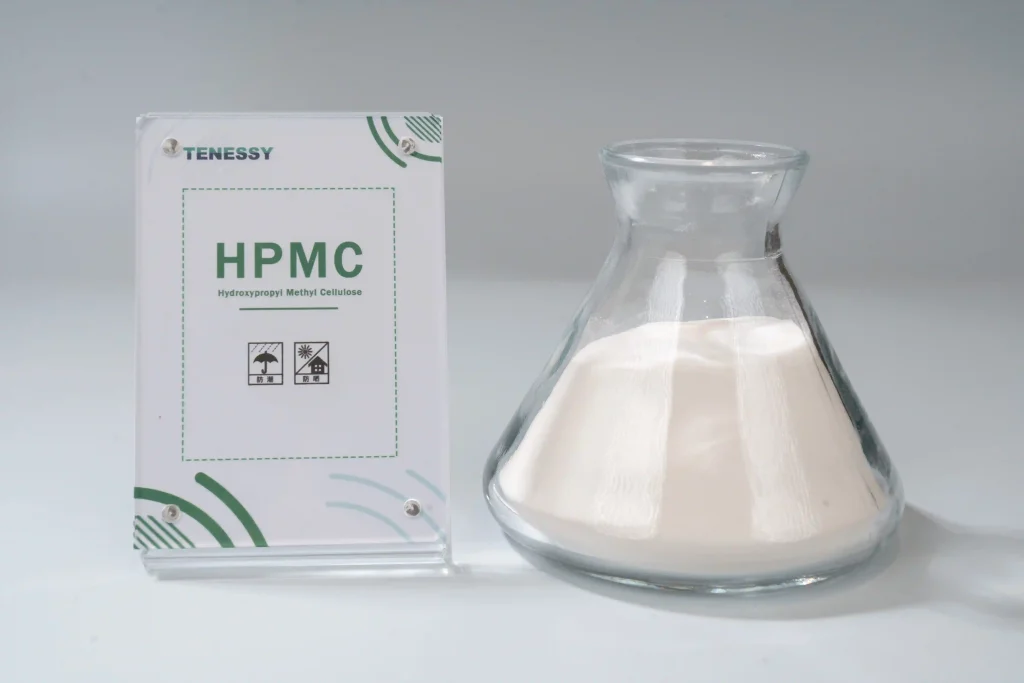
Human skin surface is weakly acidic (pH approximately 4.1-5.8). Long-term use of highly alkaline cleansing products may compromise the skin barrier function, leading to increased transepidermal water loss and dryness. HPMC, being a non-ionic polymer, does not ionize or introduce additional ionic charges, exhibiting extremely low skin irritation while maintaining stable performance within the pH 3-11 range. This means that hand wash formulated with HPMC can maintain a pH close to the skin’s natural acid-base environment while delivering effective cleansing—particularly suitable for developing hand care products for infants, young children, and sensitive skin populations.
The molecular chains of HPMC contain abundant hydrophilic hydroxyl and ether oxygen groups, capable of forming a soft, breathable moisture-retention film on the skin surface. This film, on one hand, reduces excessive removal of skin lipids by surfactants during cleansing; on the other hand, it retards moisture evaporation, imparting a soft, non-tight tactile sensation to the skin after rinsing.
The user experience of hand wash is closely tied to foam quality. HPMC possesses certain surface-active properties, reducing the surface tension of the system and serving as a foam aid and stabilizer within surfactant systems. Industry applications demonstrate that HPMC enhances foam generation and stability, resulting in denser, more persistent foam. For hand wash products, abundant foam not only improves cleansing efficiency but also provides users with a psychological sense of “cleanliness” satisfaction.
The thickening mechanism of HPMC originates from the extension and hydration of its molecular chains in aqueous solution, forming a three-dimensional network structure that constrains water molecule flow. By selecting different viscosity grades of HPMC, formulators can precisely control the final viscosity of hand wash—from light-flowing gel-like textures to rich, creamy emulsion-like consistencies.
More importantly, HPMC imparts shear-thinning rheological behavior to hand wash: maintaining relatively high apparent viscosity at rest to prevent leakage and separation in the bottle; viscosity decreasing upon squeezing for smooth dispensing; and recovering appropriate consistency during lathering to ensure adequate product adhesion to the hands, minimizing waste.
Hand wash formulations often incorporate electrolytes such as sodium chloride for auxiliary thickening or rheology adjustment. However, traditional thickening systems are extremely sensitive to salt concentration. The non-ionic character of HPMC renders it largely unaffected by ionic strength variations, exhibiting excellent compatibility with anionic, non-ionic, and amphoteric surfactants alike. Practical experience shows that the thickening performance of HPMC is unaffected by surfactant type or concentration, providing formulators greater design freedom when adjusting cleansing power or cost.
“Viscosity reversion” (gradual decrease in viscosity over time) and phase separation during storage are common stability challenges for hand wash formulations. Through its stable network structure, HPMC effectively suspends insoluble particles (such as scrub beads, pearlescent agents), preventing sedimentation. Simultaneously, the composite network formed with surfactants helps inhibit phase separation, ensuring uniform appearance and consistency throughout the product’s shelf life.
Typical addition levels of HPMC in hand wash range from 0.2% to 1.5%, depending on target viscosity and formulation system. Different viscosity grades cater to different requirements:
Low viscosity grades (e.g., 2% aqueous solution viscosity around 4000 mPa·s): Suitable for refreshing, easy-rinse hand wash formulations
Medium to high viscosity grades (e.g., 2% aqueous solution viscosity 10000-100000 mPa·s): Suitable for premium hand wash products seeking rich, creamy consistency and good cling properties
Hand wash grade HPMC typically employs instant-dissolving surface treatment technology, enabling rapid dispersion and dissolution in cold water without heating to form clear solutions, significantly improving production efficiency. For optimal dissolution results and transparency, the following processes are recommended:
Cold water dispersion method: Slowly add HPMC to room temperature water under agitation, continue stirring until fully dissolved
High-shear assistance: For high viscosity grades, employing high-shear dispersion can prevent “fish eye” formation
HPMC exhibits synergistic effects with cationic conditioning agents (such as polyquaternium, cationic guar gum), improving wet combing properties and skin feel. In hand wash formulations, HPMC can be combined with humectants (glycerin, propylene glycol) and emollient esters to further enhance post-wash skin feel. Additionally, HPMC has minimal impact on system transparency, making it suitable for developing transparent hand wash products.
Hand wash grade HPMC is evolving from a mere “thickener” into a “multifunctional skin feel modifier.” It not only addresses the pain points of traditional thickening systems—poor temperature stability and dry skin feel—but also delivers comprehensive quality enhancement for hand wash products, spanning consistency to tactile sensation, through its gentle non-ionic properties, excellent foam stability, and formulation compatibility.
In an era where consumers are increasingly “discerning” about handwashing experiences, choosing hand wash grade HPMC represents both a rational choice in formulation technology and a genuine response to end-user experience. Whether pursuing cost-effective mass-market products or premium hand wash positioned for high-end skincare experiences, HPMC serves as a reliable functional cornerstone for formulators, with its flexibly tunable thickening performance and skin-friendly characteristics.
TENESSY has more than 15 years of production experience and advanced production equipment.


Fill in to get a free sample or consult for more information.
