HPMC voor handwasmiddelen: verbetering van het huidgevoel en versterking van de verdikkingsstabiliteit

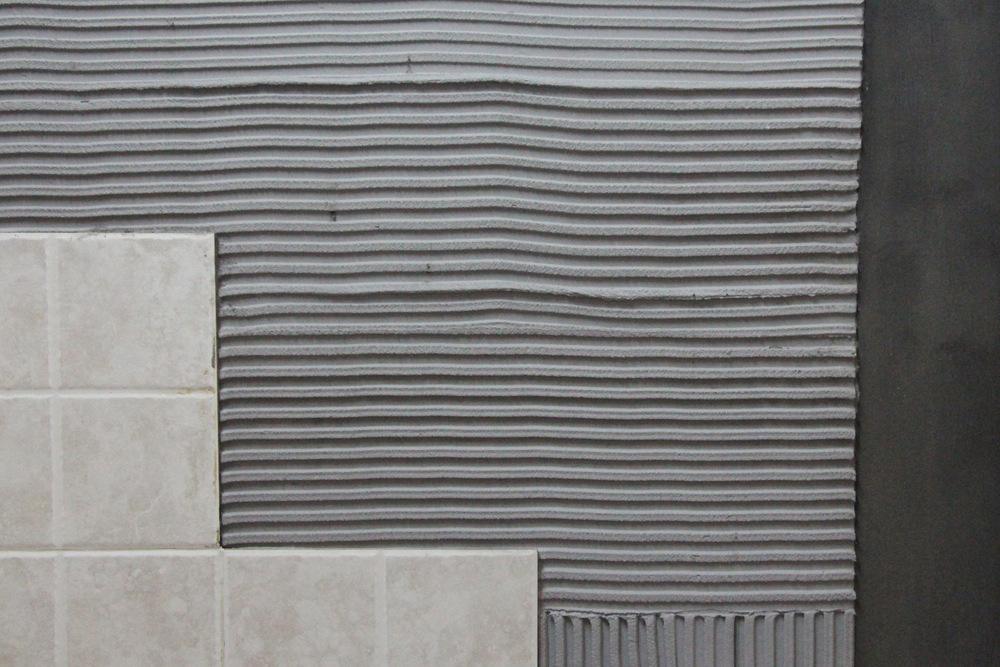
Tegellijm is een onmisbaar materiaal in moderne architecturale decoratieprojecten, en herdispergeerbaar polymeerpoeder, als belangrijkste additief van tegellijm, heeft een directe invloed op de uiteindelijke prestaties van het product. Volgens de norm JC/T 547-2017 “Tegellijmen voor keramische tegels” worden tegellijmen ingedeeld in de klassen C1 (standaardtype) en C2 (verbeterd type). Verschillende klassen stellen aanzienlijk verschillende eisen aan herdispergeerbaar polymeerpoeder. In dit artikel worden de classificatienormen voor C1- en C2-tegellijmen grondig geanalyseerd, evenals de specifieke indexeisen voor herdispergeerbaar polymeerpoeder bij verschillende sterkteklassen.
Tegellijm van klasse C1 is geschikt voor het leggen van keramische tegels met een hoge wateropname en kleine porseleinen tegels, en wordt voornamelijk gebruikt voor binnenmuren, droge ruimtes en andere gangbare toepassingen.
Kernprestatie-indicatoren: De vereiste trekhechtingssterkte voor tegellijm van klasse C1 bedraagt ≥0,5 MPa, en het product moet voldoen aan de tests voor hechtingssterkte na onderdompeling in water, warmteveroudering en vries-dooicycli, waarbij alle waarden niet lager mogen zijn dan 0,5 MPa. Bovendien moet de treksterkte na een verwerkingstijd van 20 minuten ook ≥ 0,5 MPa bedragen.
Beperkingen van de toepassing: Tegellijm van klasse C1 wordt niet aanbevolen voor het leggen van tegels die groter zijn dan 30×30 cm, en is evenmin geschikt voor vloerverwarmingssystemen, ruimtes met een hoge luchtvochtigheid, buitenomgevingen en andere omstandigheden waarin een hogere hechtsterkte vereist is.
Tegellijm van klasse C2 is geschikt voor diverse soorten keramische en porseleinen tegels, waaronder grootformaattegels en gepolijste tegels met een lage wateropname, maar ook voor de renovatie van oude tegels, vloerverwarmingssystemen, buitenomgevingen en andere veeleisende omstandigheden.
Kernprestatie-indicatoren: De vereiste trekhechtsterkte voor tegellijm van klasse C2 bedraagt ≥1,0 MPa, wat twee keer zo hoog is als die van klasse C1. De hechtsterkte na onderdompeling in water, veroudering door warmte en vries-dooicycli moet eveneens ≥1,0 MPa bedragen, terwijl de trekhechtsterkte na een verwerkingstijd van 20 minuten ≥0,5 MPa moet zijn.
Uitgebreide toepassingen: Tegellijm van klasse C2 kan verder worden onderverdeeld op basis van specifieke prestatie-eisen, zoals S (hoge flexibiliteit), S1 (flexibel), S2 (hoge flexibiliteit), T (antislip), E (verlengde open tijd), F (snelle uitharding) en andere combinaties van eigenschappen.
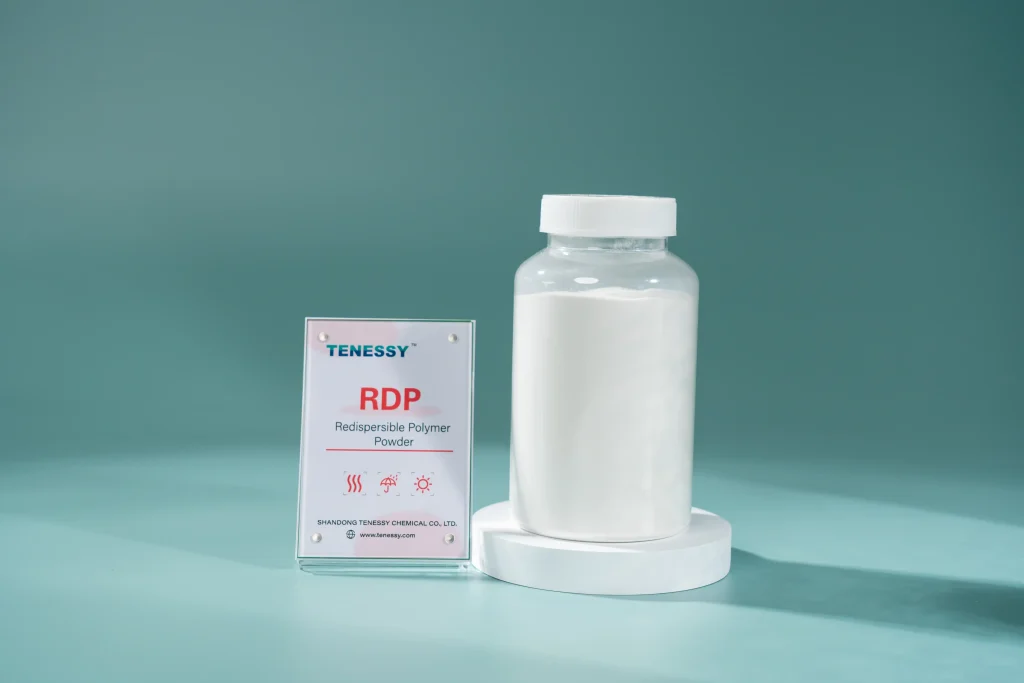
Herdispergeerbaar polymeerpoeder speelt een onvervangbare rol in tegellijm. Wanneer de tegellijm met water wordt gemengd, dispergeert het polymeerpoeder opnieuw en vormt zo een emulsie. Terwijl het water verdampt en het cement hydrateert, versmelten de polymeerdeeltjes geleidelijk tot een aaneengesloten polymeerfilm, die de microporiën in de cementmatrix opvult.
Deze polymeerfilm verleent de tegellijm de volgende belangrijke eigenschappen: een verbeterde hechtsterkte tussen de tegel en de ondergrond; een verminderde broosheid van het uitgeharde materiaal, een verbeterde flexibiliteit en vervormingsweerstand; een verbeterde waterbestendigheid, waardoor vochtindringing wordt beperkt; en een geoptimaliseerde verwerkbaarheid en plasticiteit tijdens het aanbrengen.
Juist vanwege het aanzienlijke verschil in de indicatoren voor de hechtsterkte tussen de kwaliteiten C1 en C2 vormen deze twee kwaliteiten een duidelijk technisch verschil in hun eisen aan herdispergeerbaar polymeerpoeder.
Voor formuleringen van klasse C1 moet het polymeerpoeder aan de volgende basisindicatoren voldoen:
Uiterlijk: Wit tot lichtgeel poeder, geen klontering, geen onzuiverheden
Niet-vluchtige bestanddelen: ≥98,01 TP3T
Bulkdichtheid: 300-600 g/l
pH-waarde: 5.0-9.0
Asgehalte/verbrandingsresidu: ≤13,0%
Glasovergangstemperatuur (Tg) : Moet aansluiten bij het formulatiesysteem; conventionele producten hebben hogere Tg-waarden (zijn stijver) om een basishechtingssterkte te bieden
Uit onderzoek is gebleken dat herdispergeerbaar polymeerpoeder vooral van invloed is op de trekhechtingssterkte, de trekhechtingssterkte na een verwerkingstijd van 20 minuten en de hechtingssterkte na warmteveroudering van tegellijm van klasse C1. Door polymeerpoeder te kiezen dat aan de normen voldoet, kunnen producten van klasse C1 op stabiele wijze voldoen aan de vereiste hechtingssterkte van ≥0,5 MPa.
In mengsels van klasse C1 moet het herdispergeerbare polymeerpoeder synergetisch samenwerken met gewoon Portlandcement, gesorteerd fijn zand, cellulose-ether, en andere onderdelen, het compenseren van de broosheid van uitgehard cement door de vorming van een polymeerfilm.
De hoeveelheid herdispergeerbaar polymeerpoeder in tegellijm van de C2-kwaliteit is aanzienlijk hoger; deze wordt doorgaans geregeld op 3%-5% of meer, ongeveer 25 kg per ton product. De verhoogde dosering is bedoeld om te voldoen aan de strengere eisen voor hechtsterkte (≥1,0 MPa), flexibiliteit en aanpassingsvermogen aan complexere omgevingsomstandigheden die gelden voor producten van de C2-klasse.
Voor formuleringen van klasse C2 gelden strengere eisen met betrekking tot de indicatoren voor polymeerpoeder, met name wanneer het product tegelijkertijd moet voldoen aan de kenmerken S (flexibel) of S1/S2 (hoge flexibiliteit):
Minimale filmvormingstemperatuur (MFFT) : Voor flexibele formuleringen moeten producten met een lagere MFFT (bijvoorbeeld 1-5 °C) worden gekozen om ervoor te zorgen dat er ook bij lagere temperaturen continu een polymeerfilm wordt gevormd, waardoor voldoende flexibiliteit wordt gegarandeerd
Glasovergangstemperatuur (Tg) : Voor C2-S-formuleringen is flexibel polymeerpoeder met lagere Tg-waarden nodig om voldoende vervormingsvermogen en flexibiliteit te garanderen; voor de C2-standaardkwaliteit kan daarentegen stijf polymeerpoeder met hogere Tg-waarden worden gebruikt om een hoge sterkte te garanderen
Asgehalte: Bij polymeerpoeder van hoge kwaliteit moet het asgehalte worden beperkt tot minder dan 13-15%; een hoog asgehalte duidt op een hoger gehalte aan anorganische vulstoffen, terwijl het gehalte aan effectief polymeer relatief lager is
Treksterkte en rek bij breuk: Het polymeerpoeder zelf moet een treksterkte van ≥5,0 MPa en een rek bij breuk van ≥300% hebben om de mechanische eigenschappen na de filmvorming te waarborgen
Verhouding van de oorspronkelijke trekhechtsterkte: ≥140%
Verhouding tussen de waterbestendige trekhechtingssterkte: ≥120%
In formuleringen van klasse C2 moet herdispergeerbaar polymeerpoeder niet alleen zorgen voor de basale hechtsterkte, maar ook synergetisch samenwerken met superplastificeermiddelen om de verwerkbaarheid te verbeteren, en met cellulose-ethers om het watervasthoudend vermogen te vergroten, zodat grootformaat tegels tijdens de plaatsing niet wegglijden.
Bij flexibele producten van het type C2S1/S2 moet de polymeerfilm die uit het polymeerpoeder wordt vervaardigd, voldoende vervormingsvermogen hebben om vervorming van het substraat en spanningen als gevolg van thermische uitzetting op te vangen, zodat scheuren in de tegels of delaminatie worden voorkomen.
Naast de kwaliteitsindeling in de klassen C1 en C2 worden in de norm JC/T 547-2017 ook speciale prestatie-eisen gedefinieerd, zoals T (antislip), E (verlengde verwerkingstijd) en F (snelle uitharding). Voor producten die aan deze kenmerken voldoen, gelden tevens overeenkomstige eisen voor herdispergeerbaar polymeerpoeder:
Kwaliteit T (antislip) : Er is een verdikkings- en waterbindend systeem nodig; de reologische eigenschappen van het polymeerpoeder moeten aansluiten bij de samenstelling en mogen de thixotropie van het systeem niet beïnvloeden
Kwaliteitsklasse E (verlengde open tijd) : Er kan worden gekozen voor polymeerpoeder met neutrale reologische eigenschappen die minder invloed hebben op de verwerkingstijd
S-klasse (flexibel) : Er moet flexibel polymeerpoeder met lage Tg-waarden worden gekozen om de duurzaamheid op lange termijn bij dynamische belastingen en vloerverwarmingssystemen te waarborgen
Het verschil in kwaliteit tussen C1- en C2-tegellijmen is bepalend voor de selectiecriteria voor herdispergeerbaar polymeerpoeder. Producten van de C1-kwaliteit zijn kostengeoriënteerd, met een dosering van polymeerpoeder van 1-3%, en voldoen voornamelijk aan de basiseis voor hechtsterkte van ≥0,5 MPa. Producten van klasse C2 zijn prestatiegericht, met een dosering van polymeerpoeder van 3-5% of meer, en moeten voldoen aan de hechtingssterkte-eis van ≥1,0 MPa, met hogere eisen aan de Tg-waarde, MFFT, treksterkte en rek bij breuk van het polymeerpoeder.
Bij het ontwerpen van een daadwerkelijke formulering wordt aanbevolen om de fysische eigenschappen van het polymeerpoeder grondig te evalueren op basis van de beoogde productkwaliteit, de toepassingsscenario’s en het kostenbudget, en vervolgens via experimentele verificatie de optimale dosering en samenstelling te bepalen. TENESSIE streeft ernaar klanten hoogwaardige, herdispergeerbare polymeerpoederproducten te leveren die voldoen aan de samenstellingsvereisten voor C1-, C2- en diverse tegellijmen met speciale eigenschappen.
TENESSY beschikt over meer dan 15 jaar productie-ervaring en geavanceerde productieapparatuur.


Vul in om een gratis monster te ontvangen of raadpleeg voor meer informatie.
