HPMC для жидкого мыла: улучшение тактильных ощущений и повышение стабильности загущения

Огнестойкие покрытия функциональны покрытия Способны образовывать изолирующий слой древесного угля в условиях пожара, задерживать повышение температуры подложки и защищать здания и металлоконструкции. Они широко используются в промышленных и гражданских зданиях, туннелях, нефтехимических объектах и других объектах инфраструктуры.
Благодаря своей экологичности, безопасности и простоте применения, огнестойкие покрытия на водной основе стали основным направлением развития отрасли.
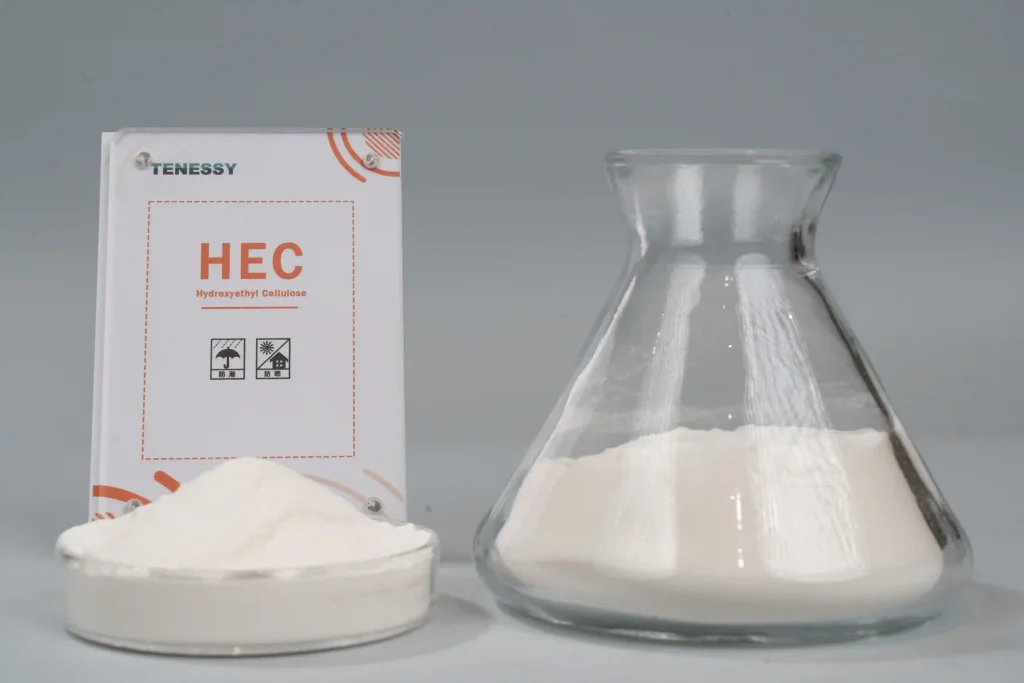
Гидроксиэтилцеллюлоза (HEC), неионный водорастворимый полимер, стал незаменимой добавкой в рецептурах огнезащитных покрытий на водной основе. Обладая превосходными свойствами загущения, водоудержания, суспензии, тиксотропными свойствами и совместимостью с системой, HEC непосредственно влияет на стабильность хранения, обрабатываемость, качество пленки и конечные огнезащитные характеристики.
В этой статье систематически рассматривается механизм, преимущества, критерии выбора, применение рецептур и сравнительный анализ HEC в огнестойких покрытиях, что дает рекомендации для производства и НИОКР.
ГЭК получают путем этерификационной модификации натуральной целлюлозы. Его молекулярные цепи содержат большое количество гидроксильных и гидроксиэтильных групп, что позволяет быстро растворяться в холодной воде с образованием однородного коллоидного раствора. В огнестойких покрытиях на водной основе ГЭК выполняет несколько ключевых функций:
Огнестойкие покрытия обычно содержат большое количество пигментов, наполнителей и антипиренов, что делает контроль вязкости сложной задачей.
HEC прививает псевдопластичное (растягивающееся при сдвиге) поведение:
Это обеспечивает равномерную толщину покрытия и стабильную основу для расширения при огневом воздействии.
Основные компоненты интумесцентных огнестойких покрытий включают:
Из-за разницы в плотности может произойти седиментация и жесткое отстаивание.
HEC образует слабую сетевую структуру, которая стабилизирует твердые частицы, продлевает срок хранения и предотвращает неравномерное возгорание, вызванное оседанием наполнителя.
HEC отлично удерживает воду, замедляя ее испарение и предотвращая появление таких дефектов, как:
Он повышает адгезию и плотность покрытия, улучшает выравнивающие свойства, уменьшает следы от кисти и текстуру "апельсиновой корки", обеспечивая баланс между декоративными и защитными свойствами.
Как неионный эфир целлюлозы, HEC проявляет:
Он совместим с эмульсиями, антипиренами, диспергаторами и пеногасителями, не вызывая флокуляции или разделения фаз.
HEC надежно работает при высоких температурах, в сухих или высокосолевых средах, что делает его пригодным для различных огнестойких систем на водной основе.
При высоких температурах (>200°C) ГЭК быстро разлагается, не образуя жестких остатков, которые препятствовали бы образованию древесного угля.
Обеспечивая равномерную, непрерывную и плотную пленку, HEC способствует стабильному расширению, умеренному пенообразованию и улучшению теплоизоляционных характеристик при воздействии огня.
В огнестойких системах на водной основе, CMC, HPMC, и HEC являются широко используемыми эфирами целлюлозы. Различия в их характеристиках существенно влияют на выбор области применения.
| Индекс производительности | HEC | КМЦ (карбоксиметилцеллюлоза натрия) | HPMC |
|---|---|---|---|
| Ионный тип | Неионогенные | Анионный | Неионогенные |
| Устойчивость к кислотам/щелочам и электролитам | Превосходно | Умеренная, чувствительна к электролитам | Хорошо |
| Удержание воды | Превосходно | Средний | Превосходно |
| Устойчивость подвески | Хорошо | Сильный | Хорошо |
| Образование и внешний вид пленки | Хорошее, отличное выравнивание | Умеренная, склонная к обдиранию | Превосходная, плотная пленка |
| Тиксотропия и обрабатываемость | Умеренная, хорошая устойчивость к провисанию | Прочность, высокая устойчивость к брызгам | Умеренное, гладкое нанесение |
| Пригодность для нанесения огнезащитных покрытий | Универсальные (ультратонкие, тонкие, толстые) | Общие покрытия на водной основе | Высокотехнологичные пленкообразующие покрытия |
| Стоимость | Средний | Низкий | Выше |
Заключение:
HEC предлагает наилучший общий баланс совместимости, устойчивости к электролитам, обрабатываемости и способности к огнезащите. Он является предпочтительным эфир целлюлозы для интумесцентных огнестойких покрытий на водной основе.
Средняя и высокая вязкость (20,000-50,000 мПа-с)
Основная марка с оптимальным балансом загущения и суспензии. Подходит для ультратонких и тонких покрытий стальных конструкций.
Низкая вязкость (5,000-15,000 мПа-с)
Подходит для высокопоточных покрытий, наносимых распылением, с улучшенным выравниванием.
Быстрорастворимый/диспергируемый ГЭК
Идеально подходит для промышленного производства. Быстро растворяется без образования комков, упрощая процессы дозирования.
Ультратонкие / тонкие огнезащитные покрытия на водной основе:
0,3%-1,0% (обычно: 0,5%-0,8%)
Толстые огнестойкие покрытия:
0,5%-1,5%, часто в сочетании с бентонитом или фумированным кремнеземом.
Чрезмерная дозировка может привести к чрезмерно высокой вязкости и замедлению высыхания; недостаточная дозировка может снизить стабильность суспензии и устойчивость к провисанию.
| Компонент | Вес % | Функция |
|---|---|---|
| Акриловая эмульсия | 24-28 | Пленкообразующее связующее, адгезия |
| Полифосфат аммония (APP) | 30-35 | Источник кислот, способствует образованию углей |
| Пентаэритрит | 14-16 | Источник углерода |
| Меламин | 10-13 | Источник газа, расширение пенообразования |
| Диоксид титана / Полые микросферы | 6-9 | Наполнитель, изоляция и армирование |
| HEC (28 000 мПа-с) | 0.5-0.7 | Загущение, суспензия, удержание воды |
| Диспергатор / пеногаситель | 0.4-0.8 | Улучшает дисперсию и нанесение |
| Вода | Баланс | Растворитель |
Этот состав обеспечивает хорошую обрабатываемость, стабильность при хранении, гладкую поверхность покрытия и быстрое образование плотного изолирующего слоя древесного угля при огневом воздействии, что соответствует требованиям по огнестойкости.
Компания TENESSY обладает более чем 15-летним опытом производства и современным производственным оборудованием.


Заполните форму, чтобы получить бесплатный образец или проконсультироваться для получения дополнительной информации.
