HPMC per saponi da mano: miglioramento della sensazione sulla pelle e potenziamento della stabilità dell’addensamento

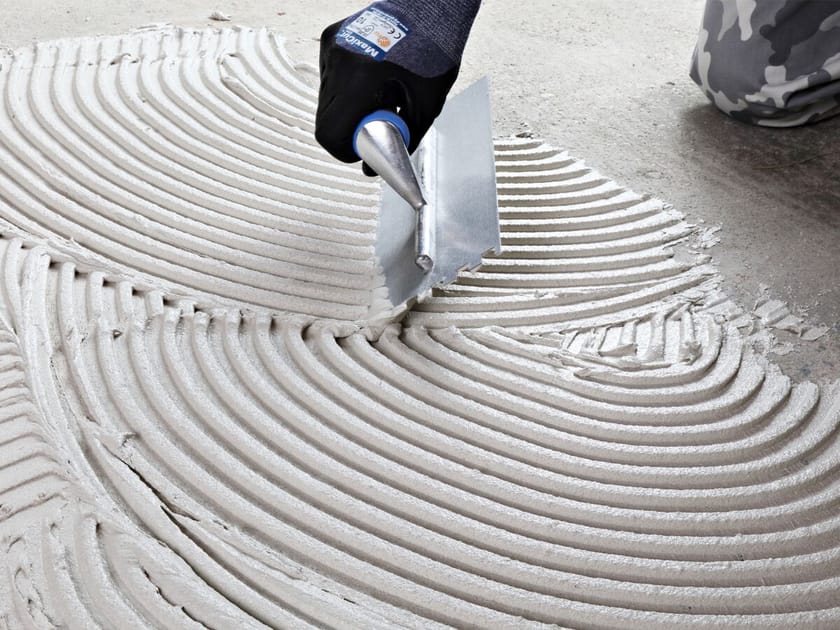
Nel moderno sistema di installazione di piastrelle a letto sottile, la polvere polimerica ridisperdibile è diventata un additivo funzionale fondamentale per migliorare le prestazioni complessive di adesivi per piastrelle. Migliora significativamente caratteristiche chiave come la forza di adesione, la flessibilità, la resistenza all'acqua e all'invecchiamento. I tradizionali adesivi per piastrelle a base di cemento si basano sull'idratazione del cemento per garantire la resistenza, ma soffrono di problemi quali l'elevata fragilità, la scarsa flessibilità, la scarsa compatibilità con le piastrelle a basso assorbimento e la tendenza a causare cavità o distacchi. Quando si incorpora una polvere polimerica ridisperdibile, si forma una struttura a film polimerico all'interno del sistema, che lavora in sinergia con i prodotti di idratazione del cemento. Questo migliora l'affidabilità dell'incollaggio attraverso molteplici meccanismi, tra cui l'adesione all'interfaccia, la struttura interna e le proprietà meccaniche, rendendolo il componente critico per gli adesivi per piastrelle di alta qualità per ottenere “un'adesione forte, senza crepe e senza cadute”.”
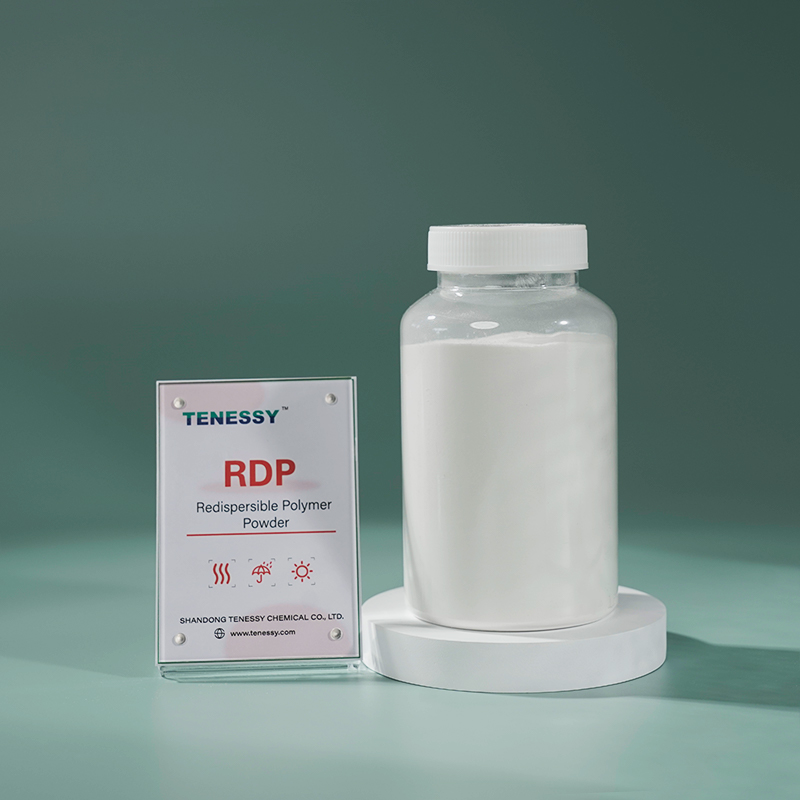
Polvere polimerica ridisperdibile è una polvere polimerica che, mescolata all'acqua, si ridisperde in un'emulsione stabile. Durante il consumo di acqua e il processo di idratazione all'interno del sistema cementizio, forma gradualmente un film. Il suo meccanismo d'azione è principalmente triplice:
Miglioramento dell'interfaccia: La polvere polimerica migliora notevolmente la bagnabilità e la penetrazione dell'adesivo sul retro della piastrella e sul substrato. Riempie i pori microscopici dell'interfaccia, riduce i difetti dell'interfaccia e crea un incastro meccanico e un'adesione fisica più forti.
Rinforzo interno e densificazione: Il film polimerico sigilla i pori capillari interni, riduce la generazione e la propagazione di microfessure, aumenta la densità del sistema, riduce l'assorbimento di acqua e migliora la resistenza all'acqua e la durata.
I sistemi a base di cemento si affidano ai prodotti di idratazione e all'incastro dell'interfaccia per l'incollaggio, che spesso si traduce in un'elevata fragilità e in un'adesione interfacciale limitata. Aggiunta di polvere di polimero:
Migliora la forza di adesione dell'adesivo alle piastrelle, in particolare ai materiali a basso assorbimento come il gres porcellanato, le piastrelle a tutta massa e il marmo.
Migliora la resistenza alla trazione e al taglio, creando una struttura monolitica tra l'adesivo, la piastrella e il substrato.
Riduce in modo significativo la probabilità di debonding dell'interfaccia e di cavità, migliorando in modo sostanziale l'affidabilità dell'incollaggio.
Ambienti umidi come bagni, balconi e pareti esterne possono facilmente degradare la forza adesiva delle piastrelle. Il film polimerico formato dalla polvere:
Riduce il tasso di assorbimento dell'acqua del sistema, bloccando le vie di ingresso dell'umidità.
Riduce al minimo i danni dell'acqua sull'incollaggio interfacciale, garantendo un'elevata forza di adesione anche dopo l'immersione in acqua.
Previene efficacemente l'ammorbidimento, il distacco e la caduta delle piastrelle causati dall'umidità prolungata.
L'assestamento del substrato, le variazioni di temperatura e le micro-deformazioni del substrato possono facilmente causare fessurazioni e delaminazioni dell'adesivo per piastrelle. La polvere polimerica conferisce un'eccellente tenacità:
Assorbe le sollecitazioni e tampona le deformazioni, evitando fratture rigide.
Riduce gli avvallamenti, le fessurazioni e le deformazioni causate dalla contrazione e dall'espansione dovute alle variazioni di temperatura.
Rende l'adesivo adatto alla posa di piastrelle di grande formato e di pannelli sottili in gres porcellanato.
L'esposizione alla luce solare, ai cicli di gelo e disgelo e ai cicli bagnato-asciutto possono deteriorare rapidamente le prestazioni dei comuni adesivi per piastrelle. Polvere di polimero:
Migliora la resistenza ai cicli di gelo-disgelo, all'invecchiamento termico e ai cicli bagnato-asciutto.
Assicura che la resistenza a lungo termine non si riduca drasticamente.
Prolunga la durata del sistema di installazione delle piastrelle, riducendo il rischio di riparazioni future.
La polvere di polimero migliora la tissotropia, la ritenzione idrica e la resistenza alla flessione:
Riduce i cedimenti, rendendolo adatto alla posa di piastrelle di grandi dimensioni sulle pareti.
Migliora la ritenzione idrica, garantendo un'adeguata idratazione del cemento e prevenendo una falsa presa o una resistenza insufficiente.
Migliora l'uniformità della pasta, aumentando l'area di adesione effettiva e riducendo l'incavatura.
L'efficacia della polvere polimerica ridisperdibile è strettamente correlata al suo dosaggio, che in genere varia da 1,5% a 3,0% del peso totale dell'impasto secco.
| Intervallo di dosaggio | Effetto sulle prestazioni dell'adesivo per piastrelle | Tipo di prodotto adatto |
|---|---|---|
| 0-1,0% | Effetto di modifica debole, miglioramento limitato della resistenza | Adesivo per piastrelle standard di bassa qualità |
| 1,5%-2,0% | Notevoli miglioramenti in termini di resistenza, tenacità e impermeabilità | C1 Adesivo per piastrelle di qualità superiore |
| 2.0%-3.0% | Prestazioni complessive ottimali, forte adesione, eccellente resistenza all'acqua | C2 Adesivo per piastrelle ad alte prestazioni / grande formato |
| >3,0% | Aumento dei costi, essiccazione più lenta, aumento marginale della resistenza | Adesivi ad alte prestazioni / Applicazioni speciali |
Entro un intervallo ragionevole, la forza di adesione aumenta con la quantità di polvere polimerica. Oltre il dosaggio ottimale, il miglioramento diminuisce, causando potenzialmente problemi come l'eccessiva viscosità e l'essiccazione lenta.
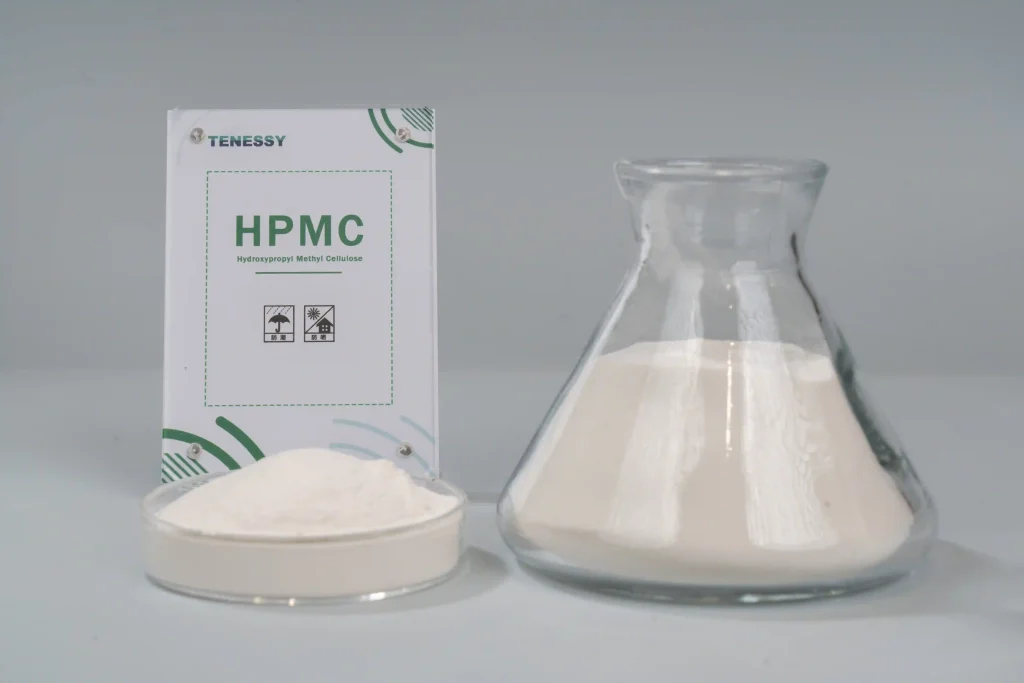
La polvere polimerica ridisperdibile viene tipicamente utilizzata in combinazione con etere di idrossipropilmetilcellulosa (HPMC) per creare un sistema sinergico altamente efficace:
Polvere di polimero: Garantisce flessibilità, adesione e resistenza all'acqua, migliorando la resistenza e la stabilità a lungo termine.
La combinazione consente di ottenere: buona lavorabilità + elevata resistenza iniziale + legame duraturo + resistenza all'acqua e all'invecchiamento. Questo costituisce il sistema di formulazione standard per gli adesivi per piastrelle di alta qualità.
La polvere polimerica ridisperdibile migliora radicalmente la forza di adesione, la resistenza all'acqua, la flessibilità e la durata degli adesivi per piastrelle a base di cemento attraverso molteplici meccanismi, tra cui la formazione di una pellicola per il rafforzamento, il rinforzo dell'interfaccia, la densificazione per l'impermeabilità e il tamponamento delle sollecitazioni. Non solo aumenta la forza di adesione iniziale, ma garantisce anche l'affidabilità dell'incollaggio a lungo termine in condizioni complesse come l'esposizione all'umidità, le fluttuazioni di temperatura e l'uso prolungato.
TENESSY vanta oltre 15 anni di esperienza nel settore produttivo e dispone di attrezzature di produzione all’avanguardia.


Compilate il modulo per ricevere un campione gratuito o per avere maggiori informazioni.
