HPMC de qualité « lavage à la main » : amélioration du toucher et renforcement de la stabilité de l'épaississement

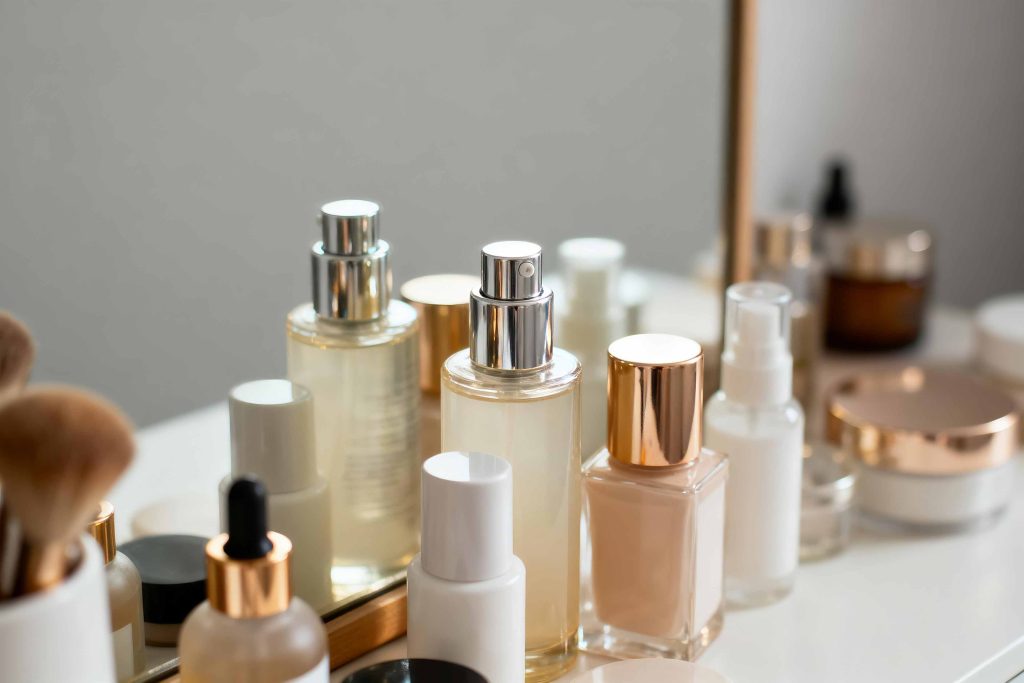
Dans le monde de la formulation des soins de la peau, les formulateurs sont souvent confrontés à un défi classique : comment augmenter la viscosité d'un produit sans sacrifier le toucher de la peau, sans compromettre la libération d'ingrédients actifs ou sans perdre le pouvoir d'hydratation à long terme ? Les épaississants traditionnels à fonction unique excellent souvent dans un domaine, mais ne sont pas à la hauteur dans d'autres. Cependant, l'introduction de Hydroxypropylméthylcellulose (HPMC) offre une solution presque parfaite à ce dilemme.
L'HPMC est un éther de cellulose non ionique dérivé de la cellulose naturelle par modification chimique. Issu de plantes, il est scientifiquement modifié pour obtenir d'excellentes propriétés physiques et chimiques. Dans les soins de la peau, il joue simultanément trois rôles distincts, à savoirépaississant, filmogène et hydratant-réalisant ainsi le concept “un ingrédient, des avantages multiples”. Cet article examine la manière dont HPMC remplit ces trois fonctions essentielles dans les domaines suivants soins de la peau, qui fournit aux formulateurs un guide d'application scientifique et pratique.
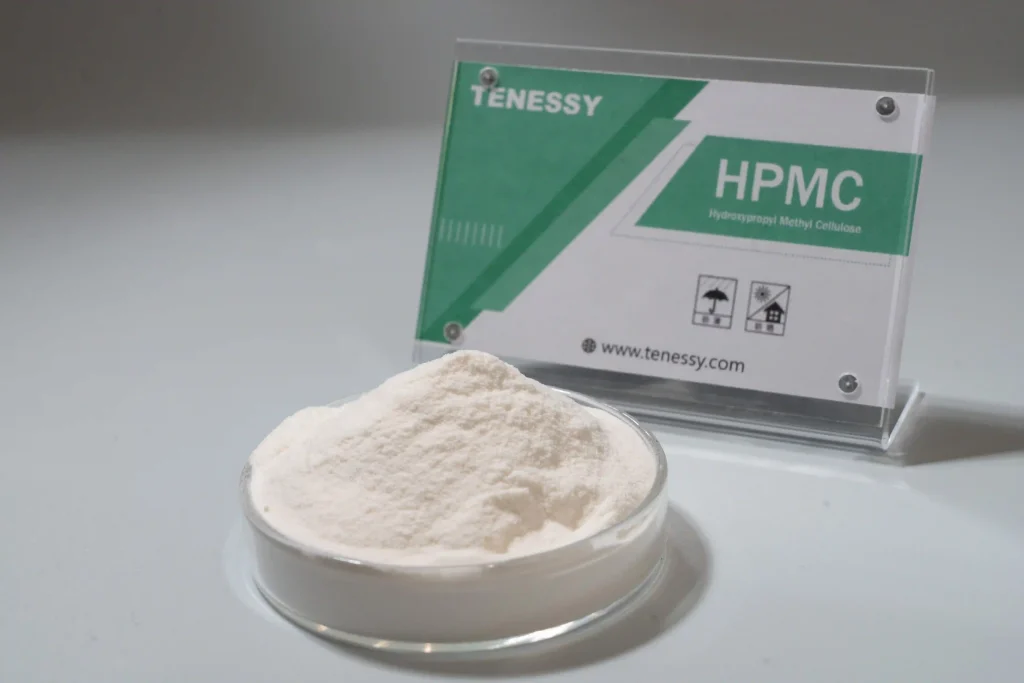
HPMC est l'abréviation de Hydroxypropyl Methyl Cellulose. Il est produit à partir de cellulose naturelle (comme le coton ou la pulpe de bois) par un processus d'alcalinisation suivi d'une réaction d'éthérification avec du chlorure de méthyle et de l'oxyde de propylène. Ce processus permet d'introduire deux groupes de substituants sur le squelette de la cellulose - groupes méthoxy (-OCH₃) et groupes hydroxypropoxy (-OCH₂CHOHCH₃). Cette combinaison unique de groupes confère au HPMC un ensemble de propriétés distinctives : il conserve les caractéristiques naturelles, sûres et biodégradables de la cellulose tout en acquérant une excellente solubilité dans l'eau et un comportement de gélification thermique.
Apparence: Poudre fibreuse ou granuleuse blanche ou blanc cassé, inodore et insipide.
Solubilité: Soluble dans l'eau froide, il ne gonfle (ne se dissout pas) que dans l'eau chaude et forme une solution colloïdale transparente après refroidissement. Cette caractéristique, connue sous le nom de “comportement de gélification thermique”.” est une caractéristique clé qui le distingue des autres épaississants.
Stabilité: La viscosité de sa solution aqueuse reste stable dans la plage de pH de 3,0 à 11,0, sans être affectée par les changements de pH.
Sécurité: Le HPMC n'est ni absorbé ni métabolisé par l'organisme et présente une excellente biocompatibilité.
En raison de sa combinaison de sécurité et de fonctionnalité, le HPMC est non seulement largement utilisé dans les soins de la peau, mais il joue également un rôle important dans les domaines suivants industrie alimentaire (en tant qu'épaississant et émulsifiant), le domaine pharmaceutique (en tant que matrice à libération prolongée pour les comprimés et en tant qu'épaississant pour les gouttes ophtalmiques), et la l'industrie des matériaux de construction (comme agent de rétention d'eau pour le ciment).
L'épaississement est la fonction la plus fondamentale et la plus intuitive de l'HPMC dans les soins de la peau. Dans diverses formulations telles que les nettoyants, les sérums et les lotions, l'HPMC fournit d'excellents effets épaississants à des concentrations scientifiquement contrôlées, tout en évitant les problèmes de “boulochage” ou de résidus blancs souvent associés aux produits Carbomer traditionnels..
Mécanisme d'action
Les chaînes moléculaires de l'HPMC contiennent un grand nombre de les groupes hydroxyles (-OH) et liaisons éther (-O-) . Ces groupes hydrophiles forment de fortes liaisons hydrogène avec les molécules d'eau, ce qui permet aux chaînes d'HPMC de s'hydrater et de s'étendre complètement dans l'eau. Au fur et à mesure que les chaînes s'étendent et s'enchevêtrent, l'écoulement de l'eau est limité et la viscosité macroscopique du système augmente.
Applications de formulation
Mousse/sirop nettoyant aux acides aminés: Le HPMC confère au sirop de nettoyage une texture de gel coulable idéale et fournit une excellente résistance à l'eau. expérience de la distribution par pompe. Des études ont montré que les nettoyants épaissis à l'HPMC nécessitaient un temps d'utilisation très court. faible force minimale de la pompe, Il permet une distribution en douceur, sans éclaboussures. Simultanément, il n'a pratiquement aucun impact négatif sur la performance de la mousse, préservant une mousse fine et riche - ce que de nombreux épaississants traditionnels ne parviennent pas à faire.
Gel douche à base de savon: Par rapport à Hydroxyéthylcellulose (HEC), Le HPMC présente une meilleure efficacité d'épaississement et stabilité de la viscosité dans les systèmes à base de savon. Cela signifie que les formulateurs peuvent obtenir une viscosité plus élevée et plus stable au même niveau d'ajout.
Dosage recommandé
Les La plage d'utilisation recommandée pour le HPMC dans les soins de la peau est de 0,2%-1,0%. , en fonction de la viscosité et de la sensation cutanée souhaitées. Les produits sous forme de gel nécessitent généralement des quantités plus importantes (proches de 1%), tandis que les produits fluides peuvent être contrôlés à 0,2%-0,5%.
La propriété filmogène de l'HPMC est sa deuxième fonction principale. Lorsqu'un produit contenant de l'HPMC est appliqué sur la peau et que l'eau s'évapore, les molécules d'HPMC forment un film. film transparent, flexible et respirant à la surface de la peau.
Mécanisme d'action
Pendant et après l'application, à mesure que l'eau s'évapore de la solution d'HPMC, les molécules d'HPMC dispersées se rapprochent progressivement les unes des autres, s'enchevêtrent, s'empilent et finissent par former un film solide continu et dense. La caractéristique unique de ce film est qu'il offre à la fois des propriétés de barrière et de respirabilité, sans donner à la peau une sensation de “tiraillement” ou d“”étouffement".”
Applications de formulation
Produits solaires: Le film formé par le HPMC aide à répartir uniformément les agents de protection solaire sur la surface de la peau, améliorant ainsi l'efficacité de la protection solaire. uniformité et la durabilité de protection solaire. Ce film confère également une certaine résistance à l'eau au produit, réduisant ainsi la perte de protection solaire due à la transpiration.
Cosmétique de couleur et maquillage de base: Dans les fonds de teint et les primers, la propriété filmogène de l'HPMC permet au maquillage d'être plus efficace. adhèrent mieux et durent plus longtemps, Il empêche la formation de mousses ou de dépôts dans les ridules. Il confère également une doux, raffiné La peau a une sensation tactile et constitue une base idéale pour l'application ultérieure du maquillage.
Masques et sérums: Dans les masques en feuilles ou les masques de sommeil, la barrière physique formée par le HPMC contribue à la protection de l'environnement. réduire la perte d'eau transépidermique (TEWL) , L'ajout de HPMC aux masques lavables ou pelables améliore l'adhérence, empêchant les masques de couler avant de sécher. L'ajout de HPMC aux masques lavables ou pelables améliore l'adhérence, empêchant le masque de couler avant de sécher.
La fonction hydratante de l'HPMC est étroitement liée aux deux fonctions précédentes et est assurée par deux mécanismes :
Mécanisme 1 : Barrière physique Verrouillage de l'eau
L'avantage direct du formage de films est le suivant verrouillage physique de l'eau. Le film d'HPMC formé sur la peau agit comme une “pellicule invisible”, réduisant efficacement l'évaporation de l'humidité interne vers l'environnement extérieur et maintenant l'état d'hydratation de la couche cornée. Des études ont montré que l'HPMC peut ralentir de manière significative le taux de perte d'humidité à la surface de la peau.
Mécanisme 2 : Liaison avec l'eau par l'intermédiaire de groupes hydrophiles
Les nombreux groupes hydroxyles et éthers des molécules d'HPMC ont une forte affinité pour l'eau, ce qui leur permet de lient et retiennent les molécules d'eau, Ce mécanisme est similaire à celui des humectants à petites molécules (comme la glycérine ou l'acide hyaluronique), mais le poids moléculaire élevé du HPMC lui permet de rester plus longtemps à la surface de la peau et dans les couches superficielles de la couche cornée. Ce mécanisme est similaire à celui des humectants à petites molécules (comme la glycérine ou l'acide hyaluronique), mais le poids moléculaire élevé de l'HPMC lui permet de rester plus longtemps à la surface de la peau et dans les couches superficielles de la couche cornée. n'est pas facilement absorbée par la peau, La surface est ainsi plus longtemps habitée et la sensation d'humidité est plus durable.
Synergie avec d'autres humectants
Combinaison avec des glycols à petites molécules (glycérine, butylène glycol, etc.) : Les humectants à petites molécules pénètrent la couche cornée pour attirer l'eau de l'intérieur, tandis que l'HPMC forme un film qui retient l'eau à la surface. la synergie interne et externe renforce considérablement l'effet d'hydratation.
Combinaison avec l'hyaluronate de sodium: L'acide hyaluronique est un humectant puissant bien connu mais coûteux. Le mélange d'une quantité appropriée de HPMC peut réduire les coûts de formulation sans compromettre le toucher de la peau, tout en conservant d'excellentes performances en matière d'hydratation.
La dissolution de HPMC est soumise à une exigence spécifique : il ne se dissout que dans l'eau froide, pas dans l'eau chaude. Les étapes correctes de la dissolution sont les suivantes :
Dispersion: Ajouter la poudre de HPMC à Eau chaude à 80-90°C tout en remuant. À cette température, le HPMC ne fait que gonfler et se disperser sans se dissoudre, ce qui empêche la formation de grumeaux.
Refroidissement: Poursuivre l'agitation et refroidir le système à température ambiante (ou accélérer le refroidissement à l'aide d'un bain de glace). À mesure que la température baisse, l'HPMC commence à se dissoudre et le système devient progressivement transparent et visqueux.
La position en faveur du dégazage: La solution entièrement dissoute peut contenir de minuscules bulles d'air. Laisser reposer pendant 2 à 4 heures ou utiliser la désaération sous vide pour obtenir un gel très transparent.
Valeur du pH: La performance d'épaississement du HPMC est très stable à l'intérieur de la plage d'utilisation. pH 3-11 La gamme des produits de nettoyage est très étendue. Des études ont montré que l'augmentation du pH des systèmes de nettoyage favorise le gonflement et la dispersion de l'HPMC à basse température, supprimant efficacement les tendances à la gélification et les problèmes de sédimentation. Ceci est essentiel pour la stabilité à basse température des produits d'hiver.
Influence du sel: Le HPMC est un polymère non ionique. relativement sensible aux électrolytes. Des concentrations élevées de sels inorganiques peuvent affaiblir sa capacité d'hydratation, ce qui entraîne une diminution de la viscosité. Dans les formulations à forte teneur en sels (par exemple, certains systèmes de surfactants), il peut être nécessaire d'augmenter le dosage d'HPMC de manière appropriée ou de choisir un produit ayant un grade de viscosité plus élevé.
Température: Les solutions aqueuses de HPMC subissent une transition de gélification réversible lorsqu'elles sont chauffées à la température de la pièce. température de gélification (typiquement 58-90°C, en fonction du degré de substitution). La solution passe de transparente à trouble et la viscosité diminue fortement. Cette caractéristique rend le HPMC particulièrement adapté pour produits nécessitant un remplissage à chaud, Le système a une faible viscosité et une bonne fluidité à haute température, revenant à la viscosité idéale après remplissage et refroidissement.
Synergie:
Combinaison avec Carbomère peut optimiser l'étalement et l'adhérence des gels. Une étude sur un gel anti-acné a montré que la combinaison de 1.96% HPMC + 0.53% Carbomer 940 a atteint des propriétés rhéologiques et une stabilité physique idéales.
Le mélange avec d'autres polysaccharides naturels tels que la gomme xanthane ou la gomme guar permet de créer des profils rhéologiques plus complexes et d'obtenir la sensation tactile souhaitée “d'amincissement par cisaillement et d'épaississement statique”.
Antagonisme:
Éviter de mélanger directement avec des concentrations élevées d'électrolytes. Il est préférable de dissoudre complètement le HPMC avant d'ajouter les sels.
Certains des concentrations élevées de polyols (dépassant 30%) peut inhiber l'hydratation de l'HPMC. Il peut être nécessaire d'ajuster l'ordre d'ajout ou d'augmenter le dosage de l'HPMC.
La sensibilisation des consommateurs à l l'approvisionnement en ingrédients, la sécurité et la durabilité dans les cosmétiques, HPMC est confronté à de nouvelles opportunités de marché :
Origine naturelle: Dérivé de la cellulose végétale, le HPMC répond aux attentes des consommateurs en matière de “dérivés de la nature” et constitue un épaississant de choix pour de nombreuses marques de ‘beauté propre’.
Partenaire idéal pour les systèmes sans sulfate: L'épaississement est un défi technique bien connu pour les produits de plus en plus populaires. sans sulfate (sans SLS/SLES) les produits de nettoyage et de soins capillaires. La recherche confirme que le HPMC peut épaissir efficacement les systèmes de tensioactifs à base d'acides aminés sans affecter la capacité de moussage, ce qui en fait un ‘ingrédient vedette’ dans ce domaine.
Vegan et sans cruauté: Le HPMC peut remplacer certaines gélatines d'origine animale (utilisées par exemple dans certaines gélules ou produits gélifiés), ce qui correspond aux valeurs des végétaliens.
Gels fonctionnels: Combiné à d'autres ingrédients actifs (par exemple, des agents anti-acnéiques, des agents blanchissants), le HPMC offre une excellente sensation cutanée dans les produits sous forme de gel tout en permettant à l'utilisateur de se sentir à l'aise. libération prolongée d'actifs, Le produit peut être utilisé dans le cadre d'un traitement de fond, réduisant ainsi l'irritation et prolongeant la durée d'action.
Produits de pulvérisation: Les solutions d'HPMC à faible viscosité ont une bonne capacité de pulvérisation et forment un film transparent au séchage. Elles conviennent pour sprays de protection solaire, brumes hydratantes, sprays de fixation, etc., offrant une application pratique et une protection ou une hydratation efficace.
Dans le paysage actuel de la formulation des soins de la peau, qui accorde de plus en plus d'importance à la qualité de l'eau et à l'efficacité des produits. simplicité, efficacité et multifonctionnalité, Le HPMC est devenu un ‘acteur polyvalent’ indispensable pour les formulateurs, grâce à sa combinaison fonctionnelle trois-en-un d'épaississement, de formation de film et d'hydratation. Il améliore non seulement la viscosité et la stabilité du produit, mais aussi directement la sensation et l'état de la peau grâce à ses propriétés filmogènes et hydratantes, ce qui se traduit par une expérience supérieure pour l'utilisateur.
Pour les marques qui s'engagent à développer de haute qualité, propres et sûrs, et simplement formulés Pour les produits de soins de la peau, le HPMC est sans aucun doute un ingrédient classique qui mérite une recherche et une application approfondies.
TENSITE propose une variété de produits à base d'hydroxypropylméthylcellulose (HPMC), couvrant différents grades de viscosité et types de substitution, adaptés au développement de la formulation de divers produits de soin de la peau tels que les nettoyants, les sérums, les lotions, les masques et les écrans solaires. Pour des essais d'échantillons ou une assistance technique, n'hésitez pas à contacter contactez notre équipe technique.
TENESSY dispose de plus de 15 ans d'expérience dans le domaine de la production et d'équipements de production de pointe.


Remplissez le formulaire pour obtenir un échantillon gratuit ou consulter pour plus d'informations.
