HPMC in Handwaschqualität: Verbesserung des Hautgefühls und Erhöhung der Verdickungsstabilität

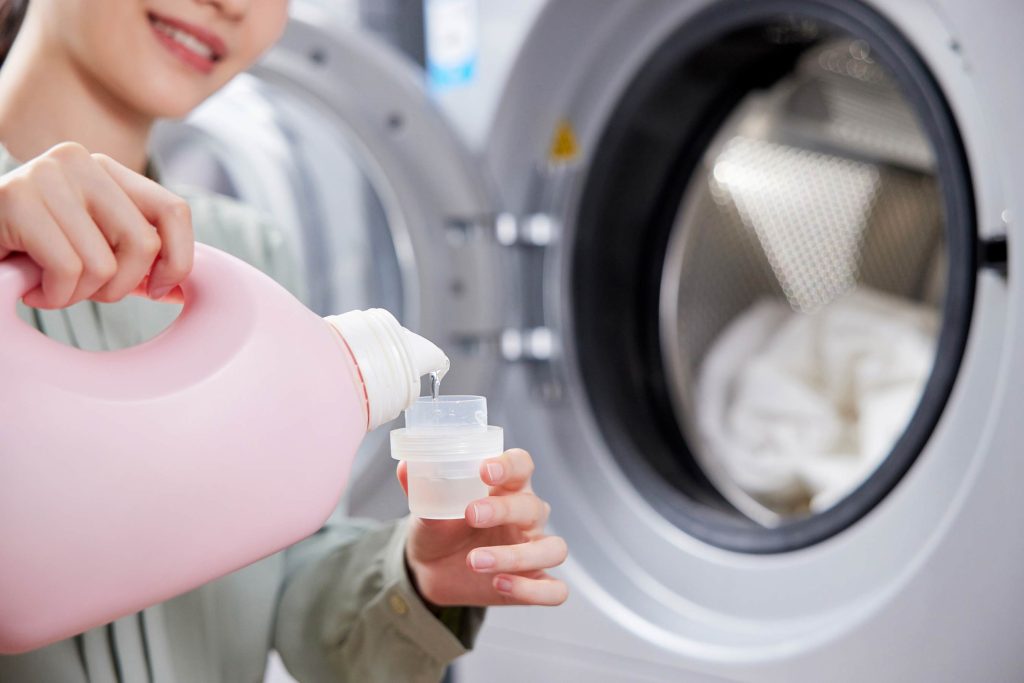
In den Formulierungssystemen von Flüssigwaschmittel, Verdickungsmittel sind wichtige Zusatzstoffe, die die rheologischen Eigenschaften, die Benutzerfreundlichkeit und die Haltbarkeit der Produkte bestimmen. Hydroxypropylmethylcellulose (HPMC) und Hydroxyethylcellulose (HEC), als zwei der am häufigsten verwendeten Celluloseether-Verdickungsmittel, werden in der Waschmittelindustrie häufig eingesetzt. Allerdings bestehen zwischen beiden erhebliche Unterschiede in Bezug auf die chemische Struktur, das Auflösungsverhalten, die Verträglichkeit und die Kosteneffizienz.
Für Formulierungsingenieure und Beschaffungsentscheider ist die Auswahl der “kostengünstigeren” Option zwischen HPMC und HEC kein einfacher Preisvergleich. Stattdessen ist eine umfassende Bewertung der Verdickungseffizienz, der Systemkompatibilität, des Energieverbrauchs im Prozess und der Stabilität des Endprodukts erforderlich. Dieser Artikel bietet einen Vergleich in drei Dimensionen - physikalisch-chemische Eigenschaften, Anwendungsleistung und wirtschaftliche Analyse - und gibt praktische Empfehlungen für die Auswahl.
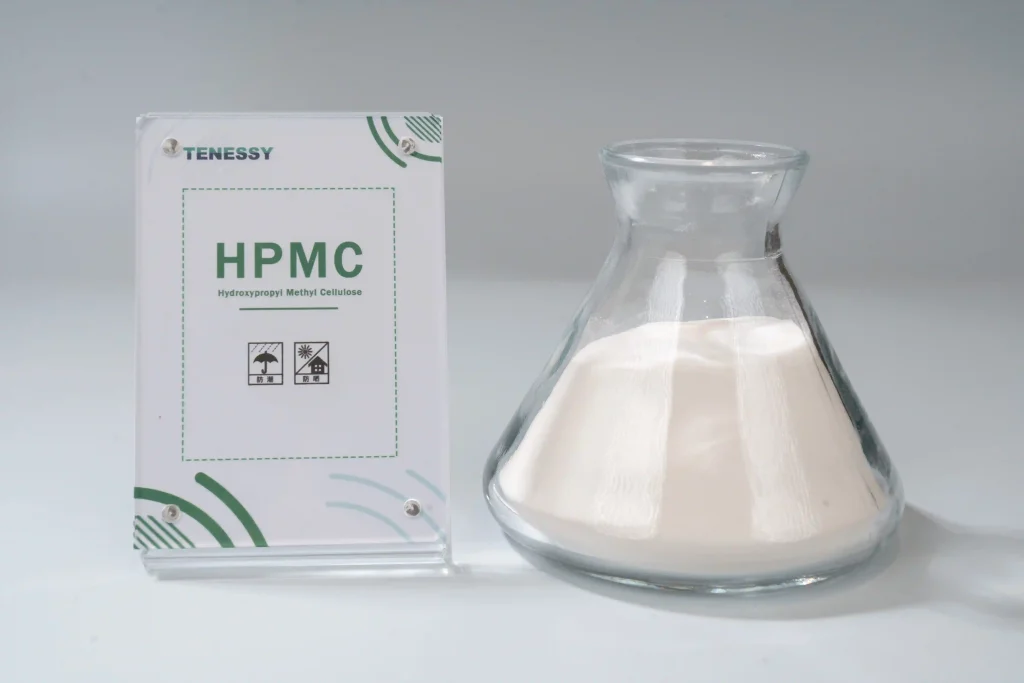
HPMC ist ein nicht-ionischer Celluloseether, der durch Alkalisierung von natürlicher Cellulose und sequentielle Einführung von zwei Veretherungsgruppen gewonnen wird: Methylchlorid (Einführung von Methoxygruppen) und Propylenoxid (Einführung von Hydroxypropylgruppen).
Wichtige physikochemische Parameter:
Ionischer Typ: Nicht-ionisch
Auflösungseigenschaften: Löslich in kaltem Wasser; unlöslich in heißem Wasser (dispergiert nur in heißem Wasser, bildet beim Abkühlen ein Gel und löst sich dann auf)
Oberflächenaktivität: Besitzt eine gewisse Oberflächenaktivität; Methoxygruppen verleihen bestimmte hydrophobe Eigenschaften
Isoelektrischer Punkt: Nicht anwendbar (nichtionisch, stabil über einen breiten pH-Bereich)
Thermische Gelierungstemperatur: Normalerweise 55-80°C (abhängig vom Methoxidgehalt)
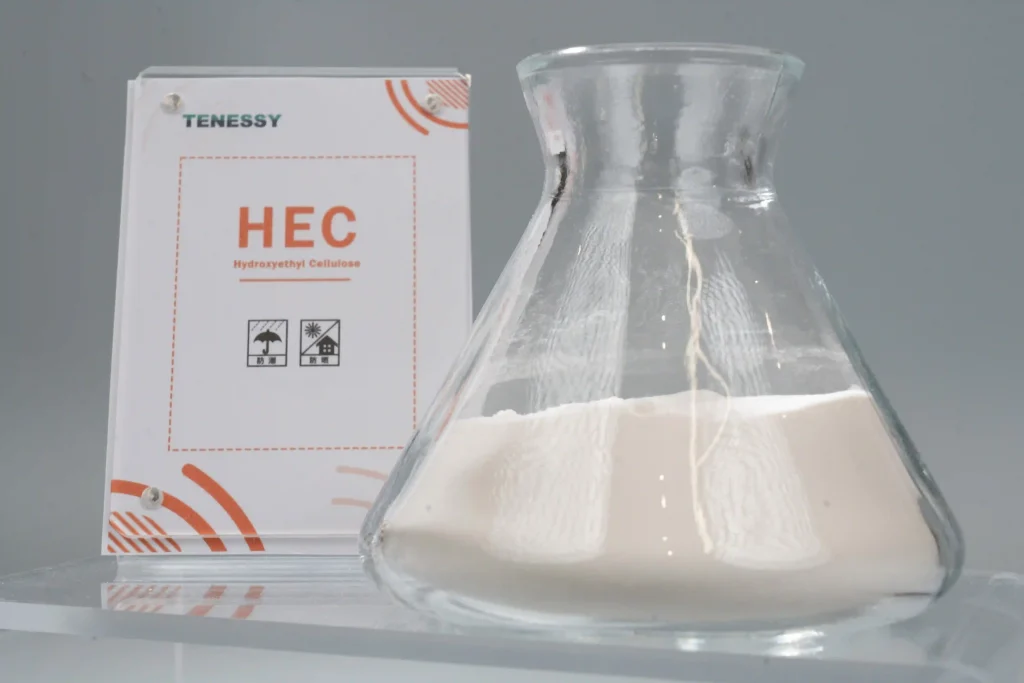
HEC ist ein nichtionischer Celluloseether, der durch die Veretherungsreaktion von Cellulose mit Ethylenoxid unter alkalischen Bedingungen hergestellt wird, wobei nur Hydroxyethylgruppen als Seitenketten eingeführt werden.
Wichtige physikochemische Parameter:
Ionischer Typ: Nicht-ionisch
Auflösungseigenschaften: Löslich sowohl in kaltem als auch in heißem Wasser
Oberflächenaktivität: Äußerst gering; im Wesentlichen keine Oberflächenaktivität
Isoelektrischer Punkt: Nicht anwendbar (nicht-ionisch)
Thermische Geliertemperatur: > 100°C, d.h. auch in kochendem Wasser keine Gelausfällung
Zusammenfassung der wichtigsten Unterschiede:
| Parameter | HPMC | HEC |
|---|---|---|
| Substituierende Gruppen | Methoxy (-OCH₃) + Hydroxypropyl (-CH₂CHOHCH₃) | Hydroxyethyl (-CH₂CH₂OH) |
| Löslichkeit in heißem Wasser | Unlöslich (erfordert Kühlung zum Auflösen) | Löslich |
| Oberflächenaktivität | Gegenwart | Äußerst gering |
| Thermische Geliertemperatur | 55-80°C | >100°C |
| Biologische Stabilität | Relativ hoch | Relativ hoch |
Bei gleicher Dosierung und gleichem Viskositätsgrad gibt es Unterschiede in der Verdickungseffizienz von HEC und HPMC.
HEC Molekülketten weisen in wässriger Lösung eine ausgedehntere zufällige Spulenkonformation auf. Die Hydroxyethyl-Seitenketten sind sehr hydrophil, was zu einer dickeren Hydratationsschicht führt. Aufgrund dieser strukturellen Eigenschaft kann HEC eine höhere Viskosität bei niedrigen Scherraten erreichen, was sich in einer besseren Verdickungseffizienz niederschlägt. Innerhalb des typischen empfohlenen Dosierungsbereichs für Waschmittelprodukte (0,5%-2,0%) bietet HEC im Allgemeinen eine deutlichere Viskositätserhöhung.
HPMC enthält Methoxygruppen mit bestimmten hydrophoben Eigenschaften, die zu einer intermolekularen hydrophoben Aggregation in wässriger Lösung führen können. Dieses Aggregationsverhalten verleiht HPMC einzigartige rheologische Eigenschaften - ein ausgeprägteres scherverdünnendes Verhalten. Für Produkte, die ein “glattes Ausgießen, dickflüssig in Ruhe” erfordern, bietet die reversible scherverdünnende Eigenschaft von HPMC Vorteile.
Schlussfolgerung (Verdickungseffizienz): HEC > HPMC (bei gleicher Dosierung und gleichem Viskositätsgrad)
Detergenzien enthalten in der Regel hohe Konzentrationen von anionischen, nichtionischen oder amphoteren Tensiden. Die Kompatibilität zwischen dem Verdickungsmittel und den Tensiden wirkt sich direkt auf die Systemstabilität aus.
HEC weist im Allgemeinen eine gute Kompatibilität mit verschiedenen Tensiden auf. Seine nichtionische Natur und hydrophile Struktur sorgen für Stabilität in anionischen Tensidsystemen (z. B. AES, LAS, AOS) ohne Ausfällung von Ladungskomplexen. Die verdickende Wirkung von HEC kann zu Synergieeffekten mit den Mizellenstrukturen von Tensiden führen.
HPMC weist ebenfalls eine gute Kompatibilität mit Tensiden auf, aber zwei Punkte sind zu beachten:
HPMC besitzt eine gewisse Oberflächenaktivität, die mit anderen Tensiden um die Adsorption an der Grenzfläche konkurrieren kann, wodurch die Schaumleistung von Tensiden in bestimmten Formulierungen möglicherweise leicht verringert wird.
In Systemen, die hohe Konzentrationen von Elektrolyten enthalten (z. B. NaCl, das zur Verdickung verwendet wird), weist HPMC eine etwas geringere Auflösungsstabilität auf als HEC, und Aussalzungseffekte können zu einer verminderten Transparenz führen.
Schlussfolgerung (Tensidverträglichkeit): Beide sind gut, jedoch ist HEC in Systemen mit hohem Salzgehalt oder bei Anwendungen mit hohen Transparenzanforderungen leicht überlegen.
Bei transparenten Waschmitteln (z. B. klare Geschirrspülmittel, Körperwaschmittel) wirkt sich der Auflösungszustand des Verdickungsmittels direkt auf die Transparenz des Endprodukts aus.
HEC bildet nach vollständiger Auflösung eine transparente Lösung mit einer Lichtdurchlässigkeit ≥ 98% und hat keine nachteiligen Auswirkungen auf die Transparenz des Produkts.
HPMC kann nach vollständiger Auflösung ebenfalls eine transparente Lösung bilden. Sein Auflösungsprozess erfordert jedoch drei Stufen: “Dispersion in kaltem Wasser - Unlöslichkeit in heißem Wasser - Aufquellen und Auflösen beim Abkühlen”. Wenn der Herstellungsprozess den Auflösungsschritt beim Abkühlen nicht angemessen abschließt, können mikroskopisch kleine Gelpartikel zurückbleiben, was zu einem trüben Aussehen oder “Fischaugen” führt. Daher erfordert die Verwendung von HPMC eine strengere Kontrolle des Produktionsprozesses.
Schlussfolgerung (Transparenz): HEC ist überlegen; HPMC erfordert eine strenge Prozesskontrolle, um eine gleichwertige Transparenz zu erreichen.
| Parameter | HPMC | HEC |
|---|---|---|
| Auflösungsmethode | Dispergieren in kaltem Wasser → Erhitzen bis zur Gelierung → Abkühlen bis zur Klarheit | Unmittelbar in kaltem oder heißem Wasser auflösen |
| Typische Auflösungszeit (Umgebungstemperatur) | 40-60 Minuten (erfordert Heiß-Kalt-Zyklus) | 20-40 Minuten |
| Warmwasser/Heizung erforderlich | Ja (System muss über den Gelierpunkt erhitzt werden) | Nein |
| Komplexität der Prozesse | Relativ hoch | Niedrig |
Typische HPMC-Auflösungsschritte:
Dispergieren Sie HPMC in Wasser bei Umgebungstemperatur (um Klumpenbildung zu vermeiden);
Auf 70-85°C erhitzen und 10-20 Minuten lang aufrechterhalten, um HPMC vollständig zu dispergieren und die Gelierung einzuleiten;
Unter Rühren auf Raumtemperatur abkühlen lassen, damit sich das Gel auflöst und eine klare, viskose Lösung entsteht.
Typische HEC-Auflösungsschritte:
HEC in das aufgewühlte Wasser geben;
Rühren Sie 20-40 Minuten lang weiter, bis es sich vollständig aufgelöst hat;
Keine Heizung oder Kühlung erforderlich.
Schlussfolgerung (Prozessenergie und Zeitaufwand): HEC ist dem HPMC deutlich überlegen.
HPMC: Erfordert Heizmöglichkeiten (Dampf oder elektrische Heizung) und Kühlmäntel sowie eine präzise Temperaturregelung. Es ist eine höhere Mischleistung erforderlich (die Viskosität des HPMC-Systems in der mittleren Auflösungsphase kann das 2-3fache der Endviskosität erreichen).
HEC: Erfordert nur eine Mischanlage für Umgebungstemperatur, ohne besondere Anforderungen an die Temperaturregelung. Der Energiebedarf für das Mischen ist stabil.
Eine “kosteneffizientere” Auswahl sollte auf der Grundlage umfassender Kosten bewertet werden, einschließlich des Stückpreises der Rohstoffe, des Energieverbrauchs des Verfahrens, der Produktionseffizienz und der Kosten für die Anpassung der Formulierung.
Auf der Grundlage von Marktdurchschnittswerten besteht ein Preisunterschied zwischen HPMC und HEC von gleichwertigen Viskositätsgraden. Aufgrund der Kosten für Ethylenoxid im Produktionsprozess und der höheren Reinigungsanforderungen hat HEC in der Regel einen höheren Stückpreis als HPMC. Der Preisunterschied liegt zwischen etwa 5% und 25% und schwankt je nach Angebot und Nachfrage auf dem Markt.
| Kostenpunkt | HPMC | HEC |
|---|---|---|
| Preis pro Einheit für Rohmaterial | Unter | Höher |
| Verdickungseffizienz (erforderliche Dosierung zur Erreichung der Zielviskosität) | Höhere Dosierung erforderlich (aufgrund der geringeren Verdickungseffizienz) | Niedrigere Dosierung möglich |
| Prozessenergieverbrauch (Heizung + Kühlung) | Hoch | Sehr niedrig |
| Auswirkungen auf den Produktionszyklus | Lang (einschließlich Heiz- und Kühlzeit) | Kurz |
| Abschreibung und Wartung der Ausrüstung | Höher (Temperiergeräte) | Unter |
| Kosten der Qualitätskontrolle | Höher (erfordert strenge Kontrolle der Auflösungsstufe) | Niedrig |
HEC ist kostengünstiger, wenn:
Das Produkt ist ein transparentes System mit hohen Transparenzanforderungen;
Die Produktionslinie kann nicht beheizt/gekühlt werden, oder es kann keine Temperaturregelung hinzugefügt werden;
Der Produktionsrhythmus ist eng und erfordert eine Verkürzung der Chargenzykluszeit;
Die Formulierung enthält hohe Konzentrationen von Elektrolyten (z. B. NaCl zur zusätzlichen Verdickung);
Prozessstabilität und ein geringes Qualitätsrisiko sind vorrangig.
HPMC ist kostengünstiger, wenn:
Bei dem Produkt handelt es sich um ein undurchsichtiges System (z. B. Perlglanz-, milchig-weiße oder pigmentierte Systeme) mit geringen Transparenzanforderungen;
Die Produktionsanlagen können bereits mit Warmwasser beheizt und gekühlt werden, so dass die Heizenergiekosten übernommen werden können;
Der Tagesausstoß ist groß, so dass der Zeitaufwand für die Temperaturkontrolle auf große Chargen verteilt werden kann;
Die Tensidkonzentration in der Formulierung ist niedrig, und die Oberflächenaktivität von HPMC kann die Systemstabilität unterstützen;
Es ist ein spezifisches Scherverdünnungsverhalten erforderlich (z. B. ein ausgezeichnetes Gefühl der “Wandhaftung”).
| Zustand | Empfohlene Wahl | Begründung |
|---|---|---|
| Transparentes Geschirrspülmittel/transparentes Waschmittel, keine Heizgeräte | HEC | Transparenz erreicht + keine Heizung erforderlich |
| Transparentes Geschirrspülmittel/transparentes Waschmittel, mit Heizeinrichtung | Entweder (HPMC etwas niedrigere Rohstoffkosten, aber Prozesskontrolle erforderlich) | HPMC hat niedrigere Rohstoffkosten, verbraucht aber mehr Energie |
| Undurchsichtige Waschmittel (milchige Körperwaschmittel, Handseifen) | HPMC | HPMC-Rohstoffkostenvorteil ist erheblich |
| Systeme mit hohem Salzgehalt (NaCl > 1,5%) | HEC | Aussalzungsrisiko mit HPMC |
| Kürzestmöglicher Produktionszyklus erforderlich | HEC | Schnelle Auflösung, kein Heiß-Kalt-Zyklus erforderlich |
| Starke scher-dünne taktile Eigenschaften erforderlich | HPMC | Hydrophobe Aggregation sorgt für eine einzigartige Rheologie |
| Produktion in Umgebungen mit niedrigen Temperaturen (nördlicher Winter) | HEC | HPMC löst sich bei niedrigen Temperaturen langsamer auf, Verklumpungsrisiko |
Missverständnis: HPMC ist immer billiger als HEC und daher immer kosteneffizienter.
Tatsache: Unter Berücksichtigung des Energieverbrauchs, der Produktionszykluszeit und der höheren Dosierung, die zum Erreichen der Zielviskosität erforderlich ist, können die Gesamtkosten von HPMC die von HEC übersteigen. Die Berechnung sollte auf der Basis der Gesamtkosten pro Charge durchgeführt werden.
Ein Missverständnis: Die beiden sind frei austauschbar.
Tatsache: HPMC und HEC unterscheiden sich grundlegend in ihren rheologischen Eigenschaften, ihrer Oberflächenaktivität und ihrer Salztoleranz. Eine direkte Substitution kann dazu führen, dass die Viskosität, Transparenz oder Stabilität des Produkts von den Spezifikationen des Designs abweicht.
Irrtum: Alle Viskositätsklassen von HPMC und HEC haben die gleiche Wirkung.
Tatsache: Unterschiedliche Viskositätsklassen (z. B. 1000 mPa-s, 5000 mPa-s, 100000 mPa-s) weisen ein deutlich unterschiedliches Verdickungsverhalten, Auflösungsraten und haptische Eigenschaften auf. Sowohl die Viskositätsklasse als auch der Typ müssen bei der Auswahl angegeben werden.
Sowohl HPMC als auch HEC sind effizient und stabil Celluloseether Verdickungsmittel für Waschmittelprodukte. Bei der Auswahl von “kosteneffizienter” müssen grundsätzlich die Rohstoffkosten, der Energieverbrauch des Prozesses, die Produktionseffizienz und die Kompatibilität der Formulierung in einen einheitlichen Bewertungsrahmen integriert werden.
Heizungsanlagen vorhanden, undurchsichtige Systeme, Rohstoffkostenoptimierung priorisiert → HPMC wird bevorzugt.
Keine Heizgeräte, transparente Systeme, salzhaltige Formulierungen oder einfache Prozesse im Vordergrund → HEC wird bevorzugt.
Es wird empfohlen, vor der formellen Umstellung Versuche im Labormaßstab (Kompatibilität der Formulierung) und eine Validierung im Pilotmaßstab (Bestätigung des Auflösungsprozesses in der Produktionslinie) durchzuführen, um durch eine falsche Auswahl verursachte Störungen der Chargenqualität zu vermeiden.
TENESSY verfügt über mehr als 15 Jahre Produktionserfahrung und moderne Produktionsanlagen.


Füllen Sie das Formular aus, um eine kostenlose Probe zu erhalten oder um weitere Informationen zu erhalten.
