HPMC in Handwaschqualität: Verbesserung des Hautgefühls und Erhöhung der Verdickungsstabilität

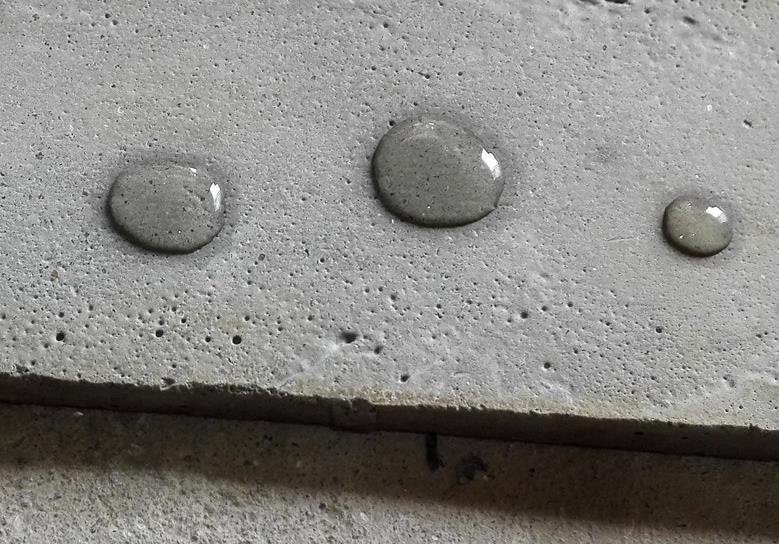
In der modernen Bautechnik ist Abdichtungsmörtel ein entscheidendes Material, um strukturelle Selbstabdichtung und langfristige Haltbarkeit zu erreichen. Mit der weit verbreiteten Einführung von Einkomponenten Trockenmörtel Systeme, wasserfestes redispergierbares Polymerpulver hat sich zu einem wichtigen funktionellen Zusatzstoff entwickelt. Seine Dosierung bestimmt direkt die mechanischen Eigenschaften, die Verarbeitbarkeit und die langfristige Leistung von Abdichtungsmörtel.
Bei der Entwicklung von Formulierungen und technischen Anwendungen gibt es jedoch nach wie vor erhebliche Diskussionen über die optimale Dosierung von wasserfesten redispergierbaren Polymerpulvern. Eine unzureichende Dosierung führt zu einer diskontinuierlichen Polymerfilmbildung und unzureichender Undurchlässigkeit, während eine übermäßige Dosierung eine erhebliche Verringerung der Druckfestigkeit und unnötige Kostensteigerungen verursacht.
In diesem Artikel werden die Grundsätze für die Bestimmung der Dosierung von redispergierbarem Polymerpulver in Abdichtungsmörtel, die zugrundeliegenden Mechanismen und praktische technische Empfehlungen aus materialwissenschaftlicher Sicht systematisch analysiert.
Nach dem Mischen mit Wasser dispergiert das wasserabweisende redispergierbare Polymerpulver wieder in Polymeremulsionspartikel. Da die Zementhydratation dem System Wasser entzieht, aggregieren, verformen und koaleszieren die Polymerpartikel allmählich und bilden Polymerfilme in drei Schlüsselbereichen:
Auf der Oberfläche von Zementhydratationsprodukten (C-S-H-Gel);
In der Übergangszone zwischen Zuschlagstoffen und zementhaltigen Materialien;
Innerhalb von Kapillarporen und Mikrorissen.
Die Kontinuität dieses Polymerfilms ist der entscheidende Faktor für die Wirksamkeit der Abdichtung. Erst wenn die Dosierung des Polymerpulvers einen bestimmten Schwellenwert erreicht, dichtet der gebildete Polymerfilm die Wasserpermeationswege wirksam ab und ermöglicht eine schrittweise Verbesserung des Dichtigkeitsgrades.
Durch die Zugabe von Polymeren wird jedoch auch die starre Struktur des Mörtels verändert. Es besteht ein inhärenter Zielkonflikt zwischen der Druckfestigkeit, die durch die Zementhydratationsprodukte bereitgestellt wird, und der Flexibilität, die durch den Polymerfilm entsteht: Ein höherer Polymergehalt führt zu einem niedrigeren Biege-Druck-Verhältnis (höhere Flexibilität), aber die Druckfestigkeit nimmt entsprechend ab.
Bei der Festlegung der Dosierung geht es also im Wesentlichen darum, ein optimales Gleichgewicht zu finden zwischen Undurchlässigkeit und Druckfestigkeit.
Bevor die Dosierung festgelegt wird, müssen die Leistungsanforderungen an den Abdichtungsmörtel klar definiert werden. Auf der Grundlage allgemeiner ingenieurtechnischer Spezifikationen konzentriert sich polymermodifizierter zementgebundener Abdichtungsmörtel in erster Linie auf die folgenden Parameter:
Druck der Undurchlässigkeit: Spiegelt die Fähigkeit des Materials wider, dem Eindringen von Wasser unter Druck zu widerstehen, normalerweise ausgedrückt in MPa. Starre Abdichtungen erfordern ≥1,0 MPa, während flexible Abdichtungen ≥0,8 MPa erfordern.
Bindungsstärke: Die Haftung zwischen dem Mörtel und dem Betonsubstrat, die sich direkt auf die Integrität und Haltbarkeit der Abdichtungsschicht auswirkt.
Druckfestigkeit und Biegefestigkeit: Bestimmung der Tragfähigkeit und der Verformungsanpassungsfähigkeit des Materials, wobei das Biege-Druck-Verhältnis üblicherweise zur Charakterisierung der Flexibilität verwendet wird.
Schrumpfung bei der Trocknung: Verringert das Risiko von Rissen aufgrund von Trockenschwindung.
Bei verschiedenen Arten und Qualitäten von Abdichtungsanwendungen werden diese Indikatoren unterschiedlich gewichtet. Die Auswahl der Dosierung muss sich daher an den angestrebten Leistungsanforderungen orientieren, anstatt mechanisch einen festen Wert anzuwenden.
Für Anwendungen, die in erster Linie auf “starre Undurchlässigkeit” abzielen, wie z. B. unterirdische Seitenwände, Tunnelauskleidungen und Tankinnenräume, beträgt der empfohlene Dosierungsbereich 2.5%-3.5% , mit einem typischen Wert von 3.0%.
Mechanismus: In diesem Dosierungsbereich bildet der Polymerfilm ein im Wesentlichen kontinuierliches Netzwerk, das die durch die Zementhydratation entstandenen Kapillarporen wirksam ausfüllt. Der Undurchlässigkeitsdruck steigt im Vergleich zum Referenzmörtel um mehr als 60%, während der Druckfestigkeitsverlust auf weniger als 20% begrenzt ist.
Anwendungen: Unterirdische Bauwerke (positive/negative Seitenabdichtung), Wasserspeicher, Kühltürme, Anstriche zum Ausgleich von Kellerdecken.
Merkmale der Formulierung: Typischerweise kombiniert mit einem relativ hohen Zementgehalt (400-450 kg/m³) und gut abgestuften feinen Zuschlägen, ohne hohe Anforderungen an die Flexibilität.
Für Anwendungen, die ein gewisses Maß an Substratverformung oder thermischer Belastung beinhalten, wie z. B. Badezimmer, Balkone, Dachausgleichsanstriche und Brückenabdichtungen, liegt der empfohlene Dosierungsbereich bei 4.0%-5.5% , mit einem typischen Wert von 4.5%.
Mechanismus: Die höhere Polymerdosierung führt zu einer größeren Polymerfilmdicke und einer verbesserten Kontinuität. Die Haftfestigkeit und die Biegefestigkeit erreichen ihre Spitzenwerte, das Biege-Druck-Verhältnis nimmt deutlich ab, und der Mörtel kann die Ausbreitung von Mikrorissen im Untergrund ohne Sprödbruch aufnehmen.
Anwendungen: Abdichtung von Badezimmern, freiliegende Balkone, Dachausgleichsanstriche, leichte Trennwandfugen.
Merkmale der Formulierung: Der Zementgehalt kann angemessen reduziert werden (auf 350-400 kg/m³), und es kann eine geeignete Menge an schwerem Kalziumkarbonat oder Flugasche zugesetzt werden, um die Verarbeitbarkeit zu verbessern; dabei sollte besonders auf die Zugfestigkeit geachtet werden.
Bei Abdichtungsanwendungen, die mit erheblichen dynamischen Belastungen, Rissempfindlichkeit oder extremen Temperaturunterschieden verbunden sind, sollte die Dosierung auf folgende Werte erhöht werden 6.0% oder höher.
Mechanismus: Die Polymerphase nimmt einen wesentlichen Teil des Mörtelvolumens ein und bildet eine “umgekehrte” Struktur, bei der der Polymerfilm als kontinuierliche Phase und die Hydratationsprodukte als dispergierte Phase fungieren. Dies führt zu ausgeprägten polymerähnlichen Eigenschaften: hohe Dehnung, hohes Haftvermögen und niedriger Elastizitätsmodul.
Anwendungen: Wärmedämmverbundsystem (WDVS) für den Außenbereich Grundbeschichtungen, Dachabdichtungen für Stahlkonstruktionen, Verstärkungsschichten für Verformungsfugen.
Hinweis: Bei dieser Dosierung sinkt die Druckfestigkeit in der Regel erheblich (möglicherweise auf 40%-50% des nicht modifizierten Mörtels). Daher ist diese Dosierung nicht für tragende Strukturanwendungen geeignet und sollte in Verbindung mit Verstärkungsfasern oder anderen Verstärkungsmaterialien verwendet werden.
Bei der praktischen Entwicklung von Formulierungen müssen, selbst wenn der angestrebte Leistungsgrad definiert ist, die folgenden Faktoren berücksichtigt werden, um die Dosierung entsprechend anzupassen.
Gewöhnlicher Portlandzement (P-O 42,5) : Hohe Hydratationsaktivität, mit minimaler Beeinträchtigung der Polymerfilmbildung. Die oben empfohlenen typischen Dosierungen sind anwendbar.
Frühfester oder hochtonerdehaltiger Zement: Die konzentrierte Wärmeabgabe während der Hydratation kann die Koaleszenz des Polymerfilms beeinträchtigen. Es wird empfohlen, die Dosierung um 0,5%-1,0% über den typischen Wert zu erhöhen, um die verringerte Filmbildungseffizienz auszugleichen.
Hoher Zementgehalt (>450 kg/m³) : Der Anteil der starren Komponenten im System ist hoch, so dass mehr Polymer benötigt wird, um starre Partikel zu beschichten und Grenzflächen zu füllen. Eine Erhöhung der Dosierung von 0,5%-1,0% kann angemessen sein.
Zu viel feiner Zuschlagstoff (z. B. Feinheitsmodul <1,6): Eine hohe spezifische Oberfläche erfordert mehr Polymer, um sich auf der Partikeloberfläche zu verteilen, was die erforderliche Dosierung pro Volumeneinheit erhöht.
Gut abgestufter Zuschlagstoff (kontinuierliche Sortierung): Die hohe Packungsdichte und die geringe Porosität konzentrieren die Wirkung des Polymers auf die Grenzflächenübergangszone und ermöglichen eine geringere Dosierung.
Niedrige Temperaturbedingungen (<10°C): Die Filmbildungsrate des Polymers nimmt deutlich ab. Selbst bei ausreichender Dosierung kann eine unzureichende Filmbildung zu einem Versagen der Abdichtung führen. In solchen Fällen sollten Produkte mit niedriger Mindestfilmbildungstemperatur gewählt und die Dosierung entsprechend erhöht werden.
Heiße und trockene Bedingungen: Die schnelle Wasserverdunstung beeinträchtigt die Filmbildung. Es wird empfohlen, die Dosierung um 0,5% zu erhöhen, wobei der Schwerpunkt auf der Nasshärtung liegt.
Mit Metakaolin, Silikastaub oder anderen aktiven mineralischen Zusatzmitteln: Diese Materialien verdichten die Struktur durch physikalische Füllung und puzzolanische Reaktionen weiter. Die Dosierung des Polymerpulvers kann um etwa 0,5% reduziert werden, wobei derselbe Dichtigkeitsgrad beibehalten wird.
Mit wasserabweisende Silikonprodukte: Die wasserabweisenden Silikone verringern die Oberflächenenergie und die kapillare Wasseraufnahme und schaffen zusammen mit dem Polymerpulver einen doppelten Mechanismus aus “physikalischer Filmbildung und Oberflächenhydrophobie”, wodurch die Gesamtdosierung innerhalb von 3,0% kontrolliert werden kann.
Für die tatsächliche Herstellung von Trockenmörtel und für technische Anwendungen bietet TENESSY die folgenden technischen Empfehlungen an, um die Anwender bei der wissenschaftlichen Bestimmung der Dosierung von redispergierbarem Polymerpulver für Abdichtungen zu unterstützen.
Auf der Grundlage der Zementmasse sollte eine Gradientenreihe mit fünf Dosierungsstufen erstellt werden: 2,0%, 3,0%, 4,0%, 5,0% und 6,0%. Die folgenden Kernindikatoren sollten getestet werden:
28-Tage-Dichtigkeitsdruck;
28-Tage-Zugfestigkeit (auf Betonuntergrund);
28-Tage-Druckfestigkeit und Biegefestigkeit;
Biege-Druck-Verhältnis (für die Klassifizierung der Flexibilität).
Bei flexiblen Abdichtungsmörteln sollte das Biege-Druck-Verhältnis (Druckfestigkeit / Biegefestigkeit) im Bereich von 2,0-2,5 liegen. Ein Verhältnis >3,0 deutet auf eine unzureichende Flexibilität hin; ein Verhältnis <1,8 deutet auf einen übermäßigen Festigkeitsverlust hin, der eine Reduzierung der Dosierung erfordert.
Der Bereich von 3,0%-4,5% stellt für die meisten Abdichtungsmörtelprojekte den wirtschaftlich optimalen Bereich dar. Unterhalb von 3,0% reichen die Kosteneinsparungen durch jede Reduzierung um 0,5% nicht aus, um das erhöhte Risiko einer verminderten Abdichtungsqualität zu rechtfertigen. Oberhalb von 4,5% nimmt die Leistungsverbesserung pro 0,5%-Inkrement allmählich ab, was die marginale Kostenwirksamkeit verringert.
| Produktklasse | Polymer-Dosierung | Primäre Anwendungen |
|---|---|---|
| Standard Starrer Typ | 3.0% | Unterirdische Bauwerke, Wassertanks, Tunnels |
| Erweiterter flexibler Typ | 4.5% | Bäder, Balkone, Dachausgleichsanstriche |
| Hochelastischer, rissfester Typ | 6.0% | WDVS-Basisanstriche, Stahlkonstruktionsdächer, Verformungsfugenverstärkungsschichten |
Die Dosierung von redispergierbarem Polymerpulver in Abdichtungsmörtel ist kein einzelner Zahlenwert, der einfach angegeben werden kann, sondern eher eine technische Konstruktionsparameter auf der Grundlage von Leistungsanforderungen, Materialzusammensetzung und Betriebsbedingungen.
Für Standardabdichtungsmörtel, die in erster Linie auf starre Dichtigkeit abzielen, 3.0% ist eine bewährte und zuverlässige Basisdosierung, die ein kosteneffizientes Gleichgewicht zwischen Dichtigkeit und Druckfestigkeit bietet.
Für flexible Abdichtungsmörtel, die einen gewissen Verformungsausgleich erfordern, wird die empfohlene Dosierung erhöht auf 4.0%-5.5% , Dabei wird ein Teil der Druckfestigkeit geopfert, um eine deutliche Verbesserung der Haftfestigkeit und Flexibilität zu erreichen.
Bei extremen Flexibilitätsanforderungen oder hochelastischen Anwendungen kann die Dosierung weiter erhöht werden auf 6.0% oder höher, Die erhebliche Verringerung der Druckfestigkeit muss jedoch akzeptiert und durch statische Berechnungen überprüft werden.
Die endgültige Bestimmung der Dosierung sollte durch systematische Gradiententests in Verbindung mit spezifischen Rohmaterialeigenschaften und Baubedingungen erfolgen. TENESSY hält konsequent daran fest, dass es bei der wissenschaftlichen Formulierung nicht darum geht, einfach mehr von einem Inhaltsstoff hinzuzufügen, sondern vielmehr auf der Grundlage eines tiefen Verständnisses der Materialmechanismen präzise, zuverlässige und wirtschaftliche Lösungen für jede technische Anwendung zu bieten.
TENESSY verfügt über mehr als 15 Jahre Produktionserfahrung und moderne Produktionsanlagen.


Füllen Sie das Formular aus, um eine kostenlose Probe zu erhalten oder um weitere Informationen zu erhalten.
