Top 5 Concrete Additives to Prevent Cracking in Real Projects

Concrete is an essential material in construction, but it’s not immune to challenges. One of the most common and costly issues that arise during concrete construction is cracking. Whether it’s from temperature changes, moisture loss, or shrinkage, cracks can compromise the durability, appearance, and structural integrity of concrete. Fortunately, using the right concrete additives can significantly reduce or even prevent these cracks from forming.
In this guide, we’ll explore five effective concrete additives that can help prevent cracking: HPMC Powder, RDP Polymer Powder, PP Fibers, Steel Fibers, و البولي كربوكسيل الفائق الملدن. By understanding the role of each additive, you can choose the best one for your project to ensure a smooth, durable, and crack-resistant finish.
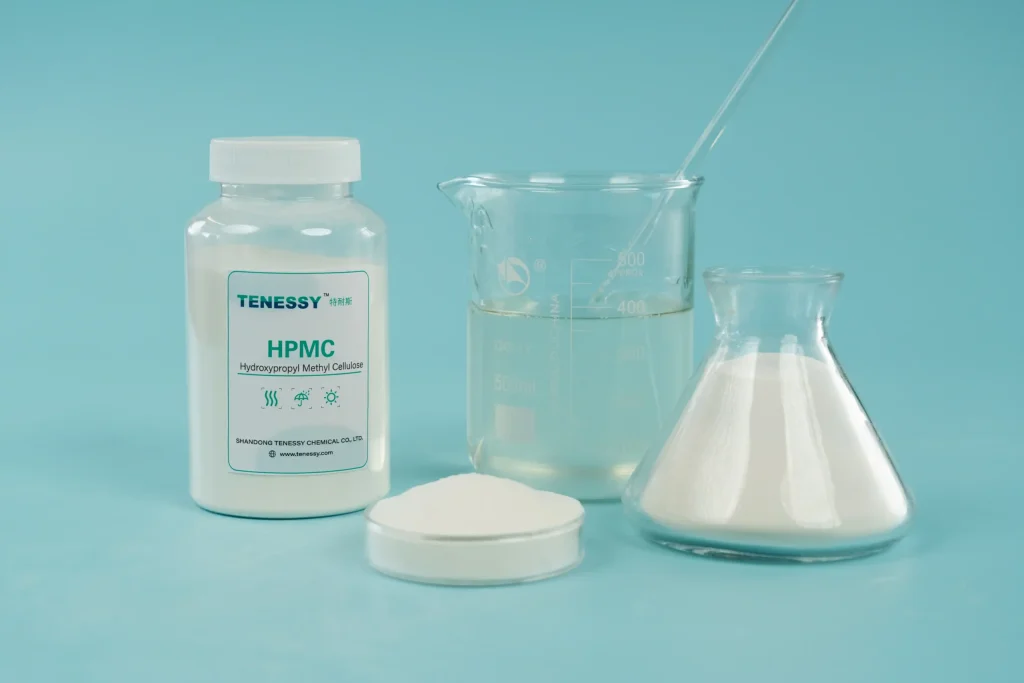
HPMC (هيدروكسي بروبيل ميثيل سلولوز) is a type of cellulose ether that is commonly used in dry-mix mortars and concrete. This powder is a key additive known for its water-retaining properties and ability to improve workability in construction materials.
Concrete tends to dry out quickly, especially when exposed to heat and dry conditions. When the moisture in the mix evaporates too rapidly, it can cause plastic shrinkage cracks, which occur before the concrete has fully set. HPMC powder helps prevent this by retaining moisture in the concrete mix, allowing the cement particles to properly hydrate and harden uniformly.
By maintaining the moisture level longer, HPMC significantly reduces the risk of surface cracking during the early stages of curing. This is especially helpful in moderate-temperature environments where rapid evaporation can be an issue.
Best for:
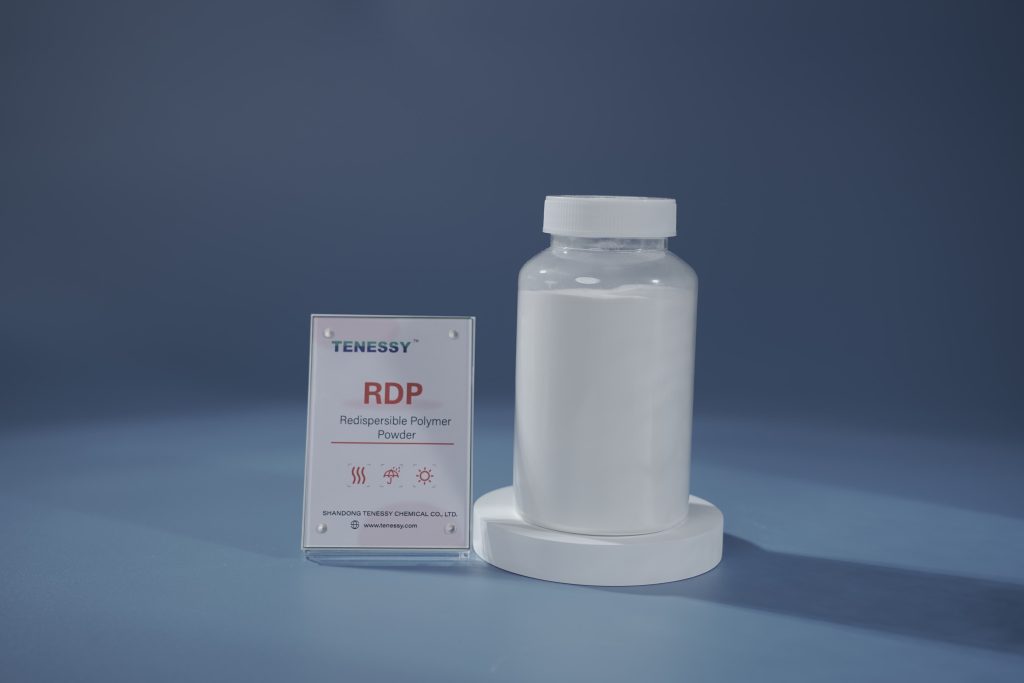
RDP is a powder made from water-based polymers that are commonly used to improve the الالتصاق, المرونة, و مقاومة الماء of concrete and mortar. When mixed with water, RDP dissolves and disperses into the concrete, providing a more cohesive and durable mixture.
Concrete can crack due to shrinkage و thermal stresses as it cures. RDP Polymer Powder improves the flexural strength of concrete, making it more resistant to cracking under stress. It also enhances the bonding between particles, preventing the concrete from separating during shrinkage.
Additionally, RDP contributes to مقاومة التشقق by improving the plasticity of the concrete, making it more flexible and better able to withstand minor thermal and mechanical movements without cracking.
Best for:
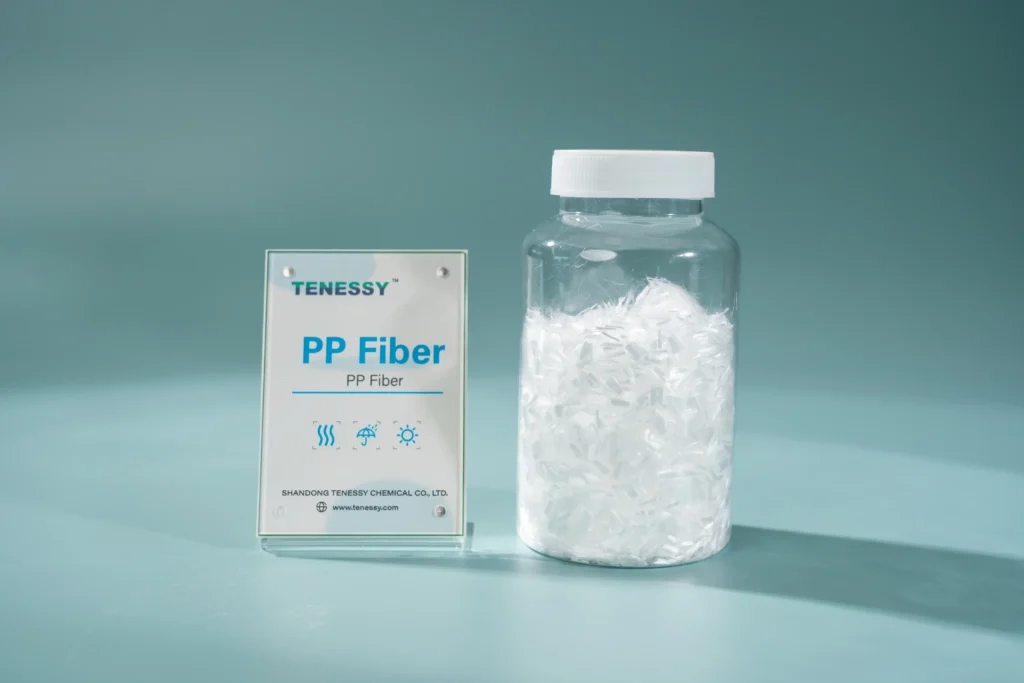
Polypropylene (PP) fibers are synthetic fibers used to reinforce concrete. They are small, thin fibers that are added to the concrete mix to improve its mechanical properties. PP fibers help prevent cracks by creating a 3D reinforcement network within the concrete matrix.
PP fibers act as a crack control agent, helping to distribute stress evenly throughout the concrete. As the concrete hardens and undergoes shrinkage, these fibers prevent the propagation of microcracks, which can develop into visible cracks over time.
The fibers are particularly effective at controlling plastic shrinkage cracking during the early stages of curing when the concrete is most susceptible to cracking. They also improve the tensile strength و ductility of the concrete, making it more resistant to impact و abrasion.
Best for:
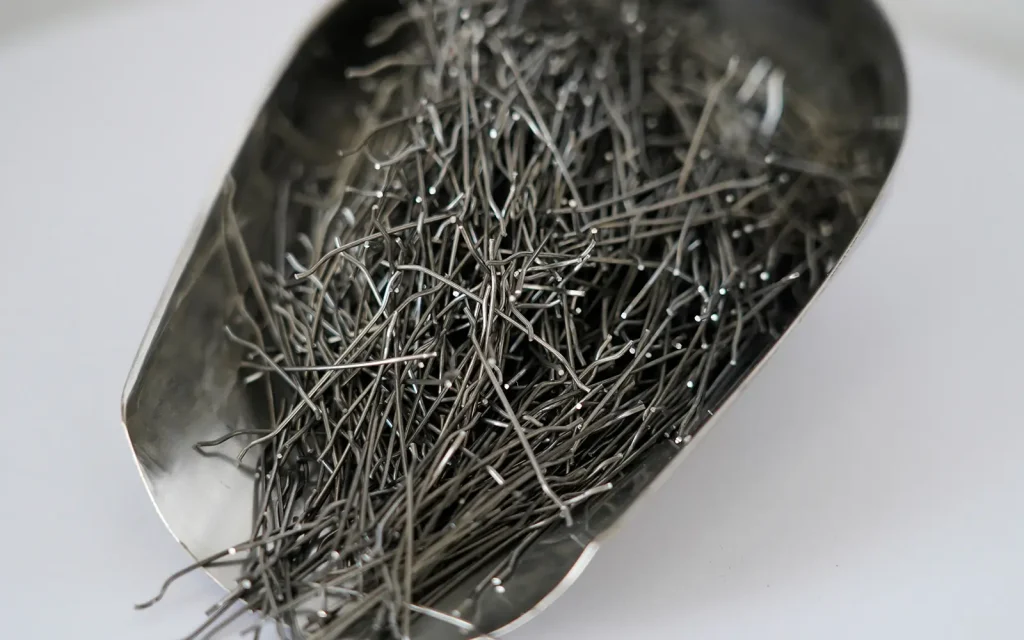
Steel fibers are short pieces of steel added to concrete to improve its structural integrity. They are made from high-strength steel and are used to reinforce concrete against various stresses, including those caused by shrinkage and temperature fluctuations.
Steel fibers provide superior مقاومة التشقق by reinforcing the concrete matrix and preventing the formation and propagation of large cracks. They distribute the stress uniformly across the surface, reducing the likelihood of cracks caused by thermal stress, shrinkage, or external forces.
Additionally, the use of steel fibers enhances the flexural strength و مقاومة الصدمات of concrete, making it ideal for structures that are exposed to high stress and heavy traffic.
Best for:
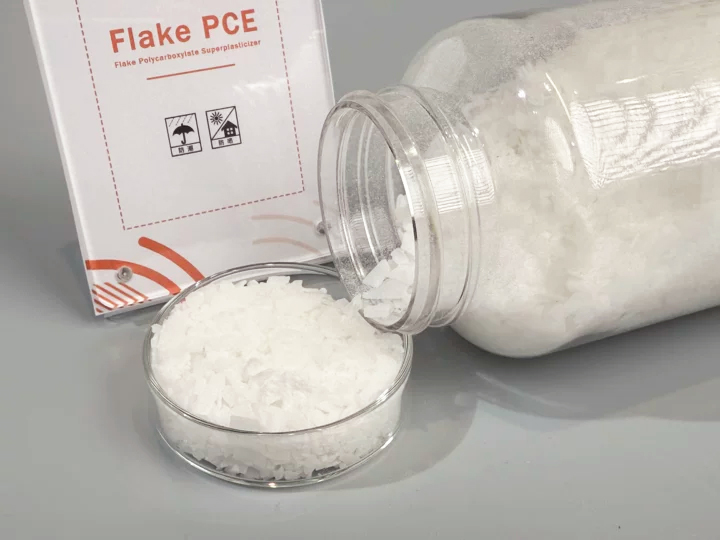
البولي كربوكسيل الفائق الملدن (PCE) is a modern, high-performance water-reducing agent used in concrete mixes. It allows for high-strength concrete without compromising workability.
One of the main causes of cracking in concrete is the excess water content required for proper mixing. When too much water is added, it increases the risk of shrinkage cracks as the concrete dries. PCE reduces the amount of water required in the mix while maintaining the قابلية التشغيل of the concrete, which leads to a denser و stronger final product.
By reducing the water-to-cement ratio, PCE also helps in fast curing و early strength development, which is particularly useful in cold-weather concreting. Furthermore, PCE reduces drying shrinkage, making the concrete more resistant to cracking over time.
Best for:
Selecting the right concrete additive depends on several factors, including the environmental conditions, the type of concrete being used, and the specific requirements of the project. Here’s a quick guide to help you choose the right additive:
Concrete cracks are a common problem in construction, but with the right additives, you can significantly reduce the risk of cracking and enhance the durability of your concrete structures. Whether you need better moisture retention, improved flexibility, or enhanced crack resistance, HPMC Powder, RDP Polymer Powder, PP Fibers, Steel Fibers, و البولي كربوكسيل الفائق الملدن are all effective solutions for preventing cracks.
Each additive serves a unique purpose, and choosing the right one will depend on your specific project requirements and environmental conditions. By incorporating these additives into your mix design, you can ensure that your concrete is strong, durable, and resistant to cracking for years to come.
For expert advice on selecting the right additives for your concrete mix, feel free to reach out to our team at تينيسي. We specialize in providing high-quality concrete additives that are tested and trusted by professionals worldwide.
تتمتع TENESSY بأكثر من 10 سنوات من الخبرة في الإنتاج ومعدات الإنتاج المتقدمة.


املأ بياناتك للحصول على عينة مجانية أو استشر للحصول على مزيد من المعلومات.
