Hand Wash Grade HPMC: Improving Skin Feel and Enhancing Thickening Stability

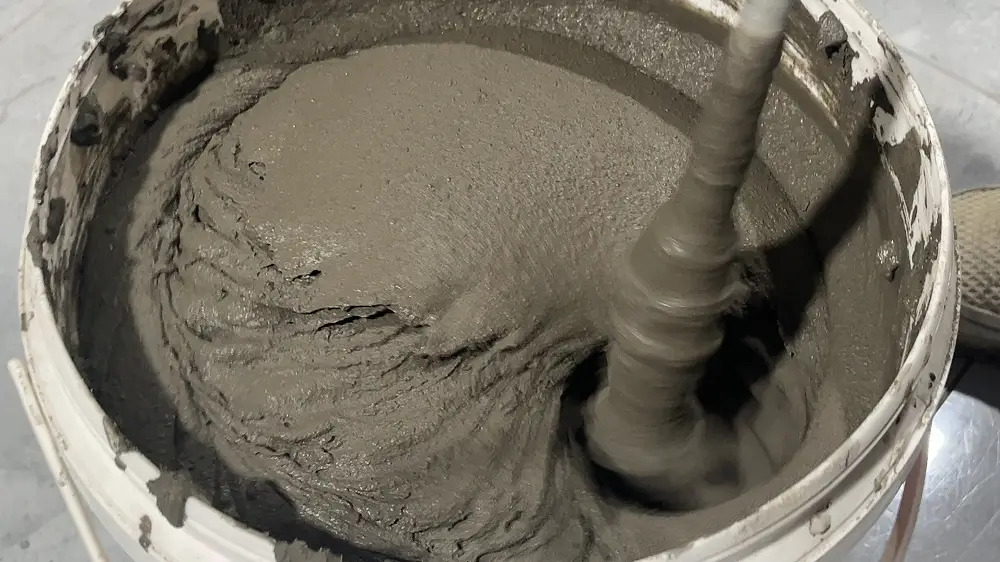
In modern construction engineering, mortar performance directly affects construction quality and project durability. Whether for masonry, plastering, or waterproofing applications, the water retention, bonding strength, and crack resistance of mortar are core evaluation indicators. Among the many mortar additives, hydroxypropyl methylcellulose (HPMC) has become an indispensable core functional material due to its excellent water-retention and thickening properties. This article explores the application techniques of high water-retention HPMC in mortar formulations, discussing how to achieve comprehensive goals such as mortar waterproofing, crack resistance, and ease of construction through scientific proportioning and process optimization.
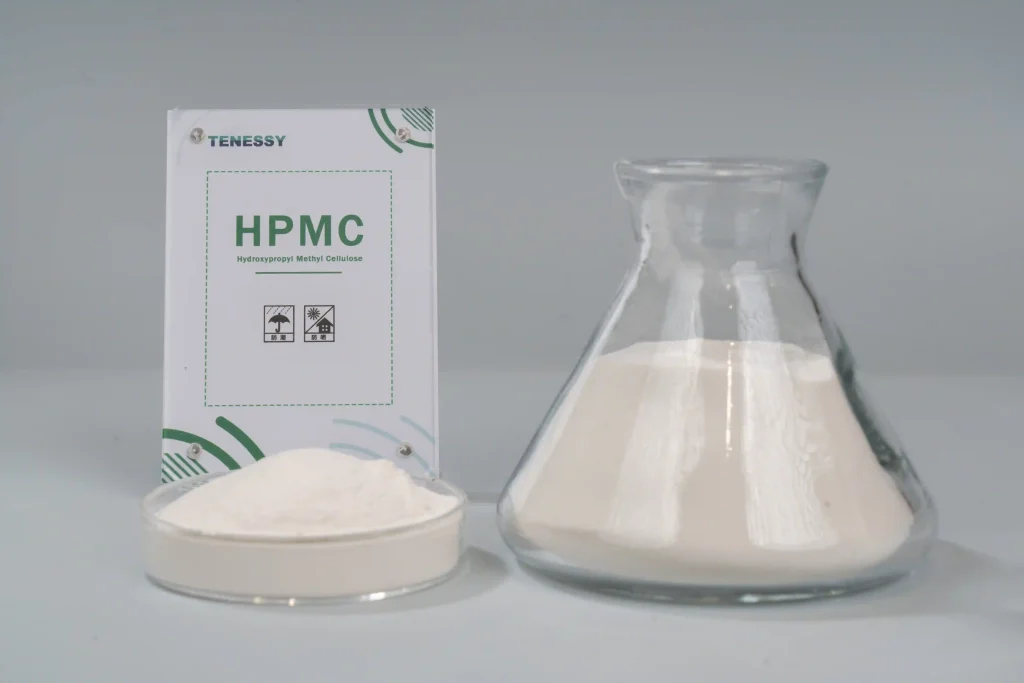
HPMC is a non-ionic cellulose ether whose molecular chains contain hydrophilic groups, allowing it to dissolve in water to form a transparent colloidal solution. In mortar systems, HPMC primarily functions through the following mechanisms:
Water retention and thickening are the most fundamental and important properties of HPMC. It forms a three-dimensional network structure within the mortar, locking free water inside the system and effectively reducing water loss to the substrate and surface evaporation. Research data shows that when HPMC dosage reaches approximately 0.4%, mortar water retention can approach 100%. This high water-retention capacity provides the necessary conditions for thorough hydration of cementitious materials (cement, gypsum, etc.), directly affecting the ultimate strength development of the mortar.
Improving workability is another core value of HPMC. It imparts excellent thixotropy to the mortar—becoming thinner during mixing for easy application and thicker when static to prevent sagging. Additionally, the air-entraining effect of HPMC introduces uniform microscopic bubbles, enhancing the smoothness and manipulability of the mortar.
The dosage of HPMC is not simply “the more, the better.” Generally, the recommended HPMC dosage is 0.1%–0.5% of the total mortar mass. For ordinary masonry mortar, a dosage of 0.2%–0.3% is sufficient to meet water-retention requirements; for exterior plastering mortar, which demands higher water retention and crack resistance, the dosage can be appropriately increased to 0.3%–0.5%.
It should be noted that when the dosage exceeds 0.6%, mortar fluidity actually decreases, and excessive viscosity can cause a “sticking to the trowel” phenomenon, reducing construction efficiency. At the same time, excessively high HPMC dosage increases water demand and negatively impacts mortar strength—studies have shown that increasing HPMC dosage can reduce compressive strength by up to 75%. Therefore, while meeting water-retention requirements, the dosage should be kept as low as possible to balance water-retention performance and strength indicators.
The viscosity of HPMC is an important factor affecting water-retention effectiveness. Generally speaking, higher viscosity provides better water retention, but when viscosity exceeds 40,000 mPa·s, the improvement in water retention becomes less pronounced. High-viscosity HPMC offers superior water retention but dissolves more slowly and tends to make mortar excessively thick and labor-intensive during application.
Medium-viscosity HPMC (40,000–80,000 mPa·s) is recommended for most applications, as it meets the water-retention needs of most mortars without overly compromising workability. For thin-layer plastering mortars, lower-viscosity products (e.g., 40,000 mPa·s) can be considered to improve application smoothness.
The fineness of HPMC directly affects its dispersion performance in dry-mix mortars. Finer powders (recommended below 80 μm) disperse better among cement, sand, and other powder materials, making them less prone to clumping when water is added. If HPMC particles are too coarse, a gel layer quickly forms on the surface upon contact with water, encapsulating the particles and hindering internal dissolution, leading to localized clumping. This not only wastes material but also causes uneven mortar strength and localized cracking.
HPMC works synergistically with various additives to further enhance overall mortar performance.
HPMC + Redispersible Polymer Powder is a classic combination. HPMC ensures water retention and workability, while the polymer powder enhances bonding strength and flexibility. Together, they form a “rigid skeleton + flexible film” structure, significantly improving mortar adhesion to substrates and reducing the risk of delamination and hollowing.
HPMC + Water Repellent is designed for waterproofing requirements. Silicone-based water repellents form a hydrophobic layer on the mortar surface, while HPMC promotes thorough cement hydration through water retention and increases mortar density. The combination effectively improves the impermeability grade of the mortar. This combination is particularly suitable for waterproofing mortars used in exterior walls, kitchens, and bathrooms—environments exposed to moisture.
HPMC + Wood Fiber is suitable for thick-layer plastering applications. Wood fiber forms a three-dimensional network structure within the mortar that inhibits shrinkage cracking, working in conjunction with HPMC’s water-retention effect to significantly reduce cracking risks in thick-layer construction.
HPMC + Thixotropic Lubricant further improves application feel and reduces trowel-sticking issues, making it especially suitable for mechanical troweling and fine interior putties.
Dissolution Method: HPMC should be thoroughly mixed with other dry powder materials before water is added, rather than being added directly to water where it may form lumps. Mixing time should be at least 3–5 minutes to ensure complete dissolution and dispersion of HPMC.
Temperature Effects: The water-retention performance of HPMC decreases with rising temperature. During hot-weather construction, the dosage should be appropriately increased or a modified HPMC grade should be selected to maintain water-retention effectiveness.
Curing Requirements: Mortar containing HPMC still requires proper curing after application. Avoid exposure to direct sunlight and excessively rapid drying, with particular attention to curing quality for waterproofing mortars.
High water-retention HPMC is a core element in mortar formulation design. By scientifically controlling dosage, selecting appropriate viscosity and fineness, and combining with other mortar waterproofing additives, polymer powders, water repellents, etc., it is possible to significantly improve mortar water retention, workability, bonding strength, and impermeability—providing reliable mortar solutions for construction projects. Mastering these application techniques not only helps optimize mortar formulation costs but also effectively ensures construction quality and reduces common quality issues such as cracking and hollowing.
TENESSY has more than 15 years of production experience and advanced production equipment.


Fill in to get a free sample or consult for more information.
